Skills of tomorrow for children of present

Community of Practice

Let’s discuss and think together!
–  knowledge- and experience-sharing webinar for elementary school teachers and experts on how we can develop the competencies necessary for children’s future mental well-being and meaningfulllife. Participation is free with registration  – Be a member of an active European professional community!

Latest news

Let’s discuss and think together!
– 4th knowledge- and experience-sharing webinar for lower primary school teachers on how we can develop the competencies necessary for children’s future mental well-being.

Discover us

Our project brings together five partners, each with unique expertise in a specific area of the project. Through our partners, we involve 40 excellent primary school teachers from five countries who are committed to developing children’s transversal skills.
Guidelines for teachers

The overarching objective of the project is to develop the future competencies of primary school students through learning
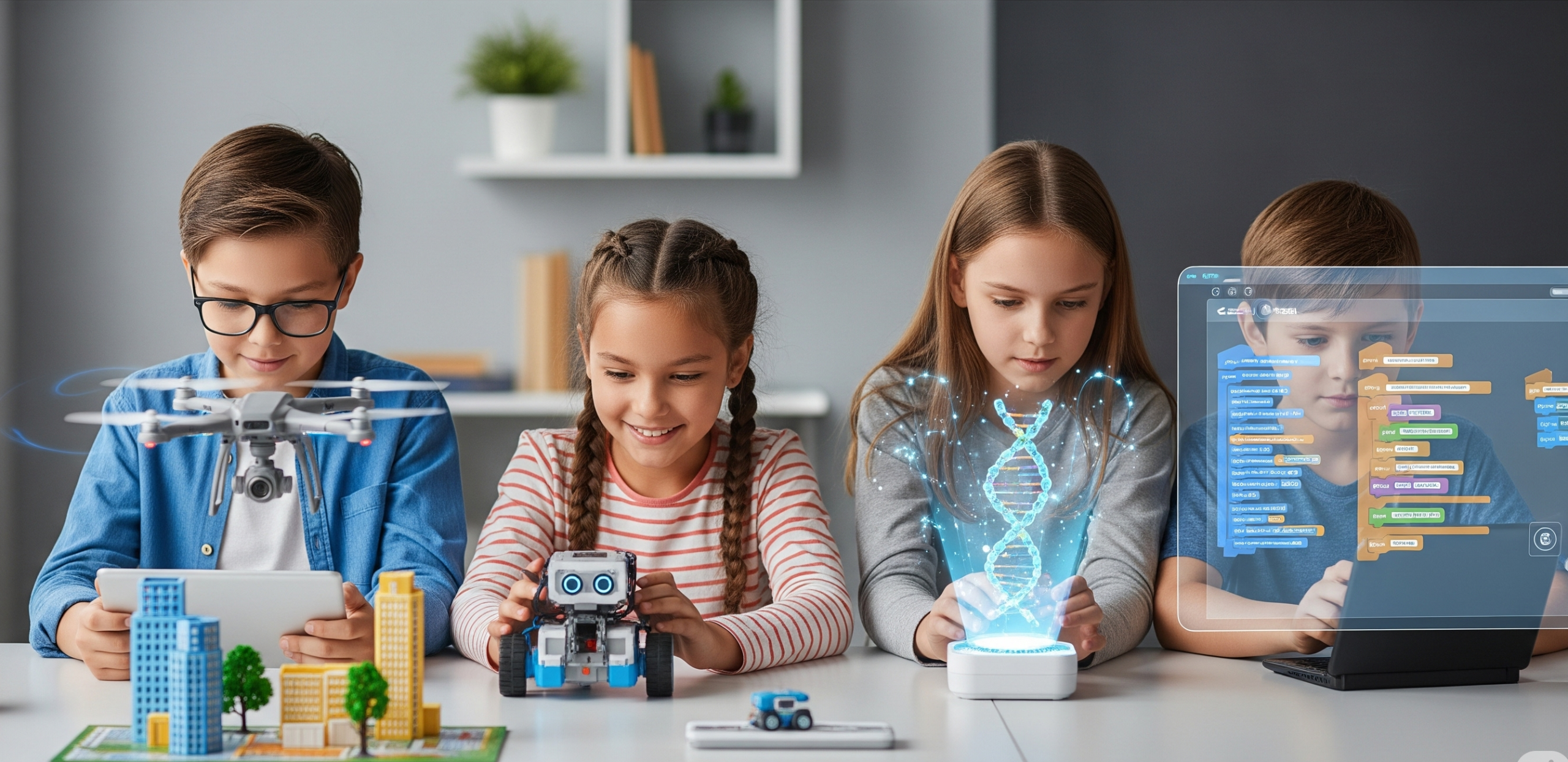
activities, traditional games and a gamified STEAM learning approach. Please see how we interpreted these tools during the implementation of the project.

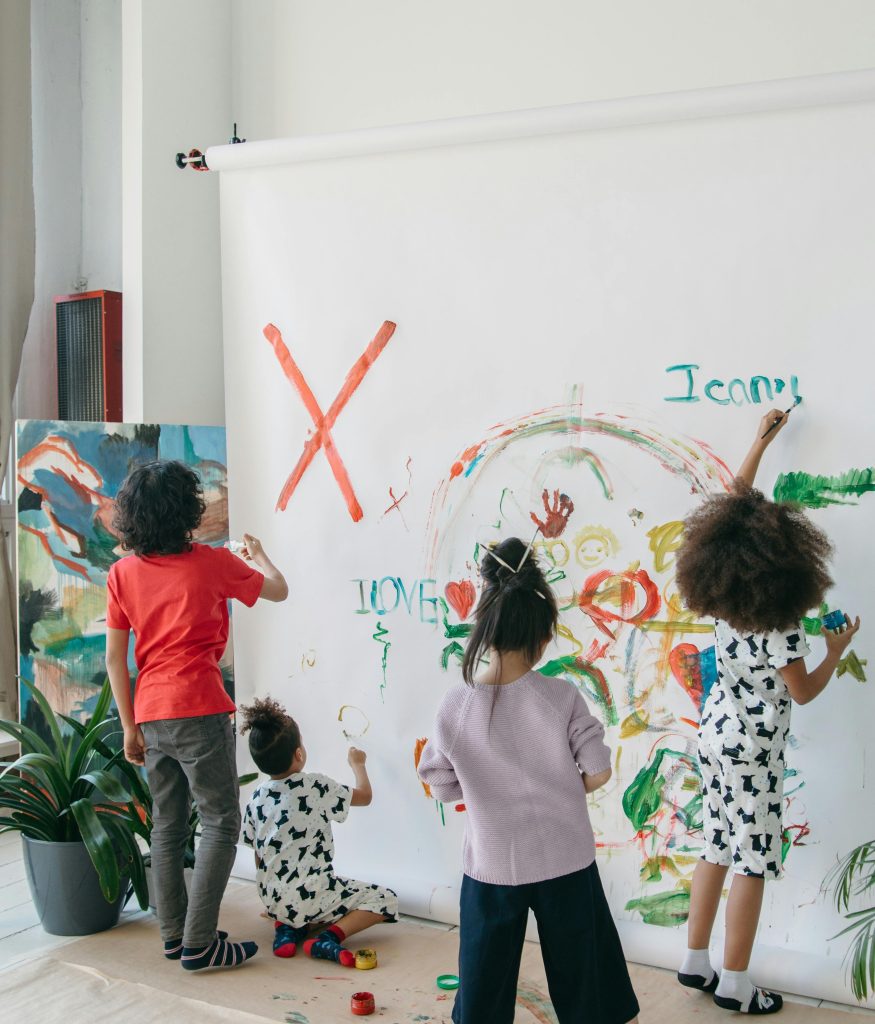
Learning activities – active learning

Active learning tools and methods can be implemented at different levels of complexity. This perfectly supports the requirement to tailor them as closely as possible to the learners’ age specificities, learning needs, existing strengths, to provide exciting but realistic challenges and to ensure an appropriate, manageable and developmental level of cooperation. In the following, we distinguish between active learning tools ( such as case studies, role playing, brainstorming) and active learning methods (such as Phenomenon-based learning, Inquiry-based learning, or thinking). All of these methods can be perfectly integrated into the gamified STEAM approach.

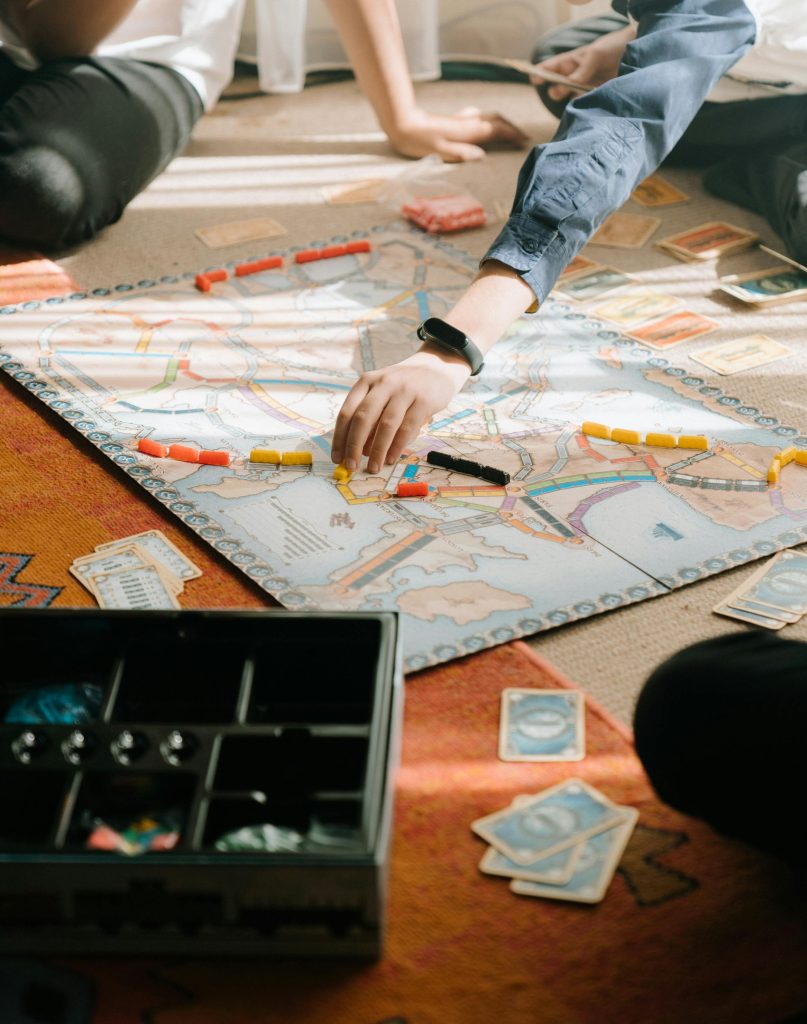
Traditional games for happy life

Game-based learning has been around for a long time and can be advantageous for many reasons when used as an educational tool. It provides opportunities for deeper learning, develops a child’s non-cognitive skills (such as social and emotional skills, persistence, and resilience), and motivates them to learn. 

Gamified STEAM approach

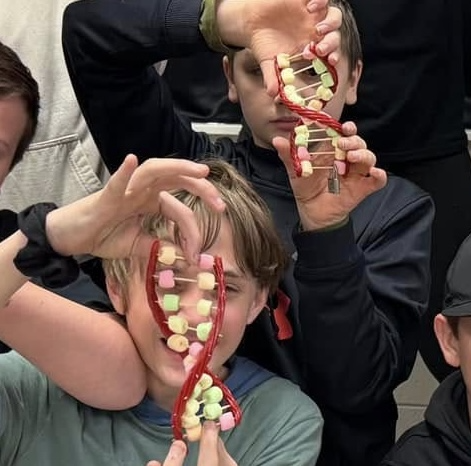
The importance of theaching STEM subjects is marginalised a bit the fact, that „doing” STEAM „things” is great fun, and it makes the learning exciting and life-like. Using STEAM approach is not about Pressure multiplied by Volume divided by Temperature is always constant, but about feeling that the pump, when you pump up the wheel of the bicycle, heats up and discover the why. Our STEAM approach focuses on to make the learning exciting and a good game for the children. We take advantage of this when we use STEAM not as a goal, but as a tool. 

As a consortium, we intend to support all European teachers in effectively using and integrating the tools developed as a result of the project into their own teaching practices. To this end, we have designed a blended learning in-services teacher training program (specifically designed for the implementation of this project results) for K1-K4 teachers, which provides the knowledge and methods necessary for the development of students’ future competencies. 


Try out our training materials and sign up for the training.


Meet our partnes and experts

The partnership brings together 5 partners each with unique expertise but happy and open to learn as peer-to-peerOur team of experts includes researchers, neuropedagogues, psychologists, university lecturers, experienced skills developers, and 40 practicing elementary school teachers from 5 countries.

Products and Open Educational Resources

Pedagogical papers & publications

Calendar