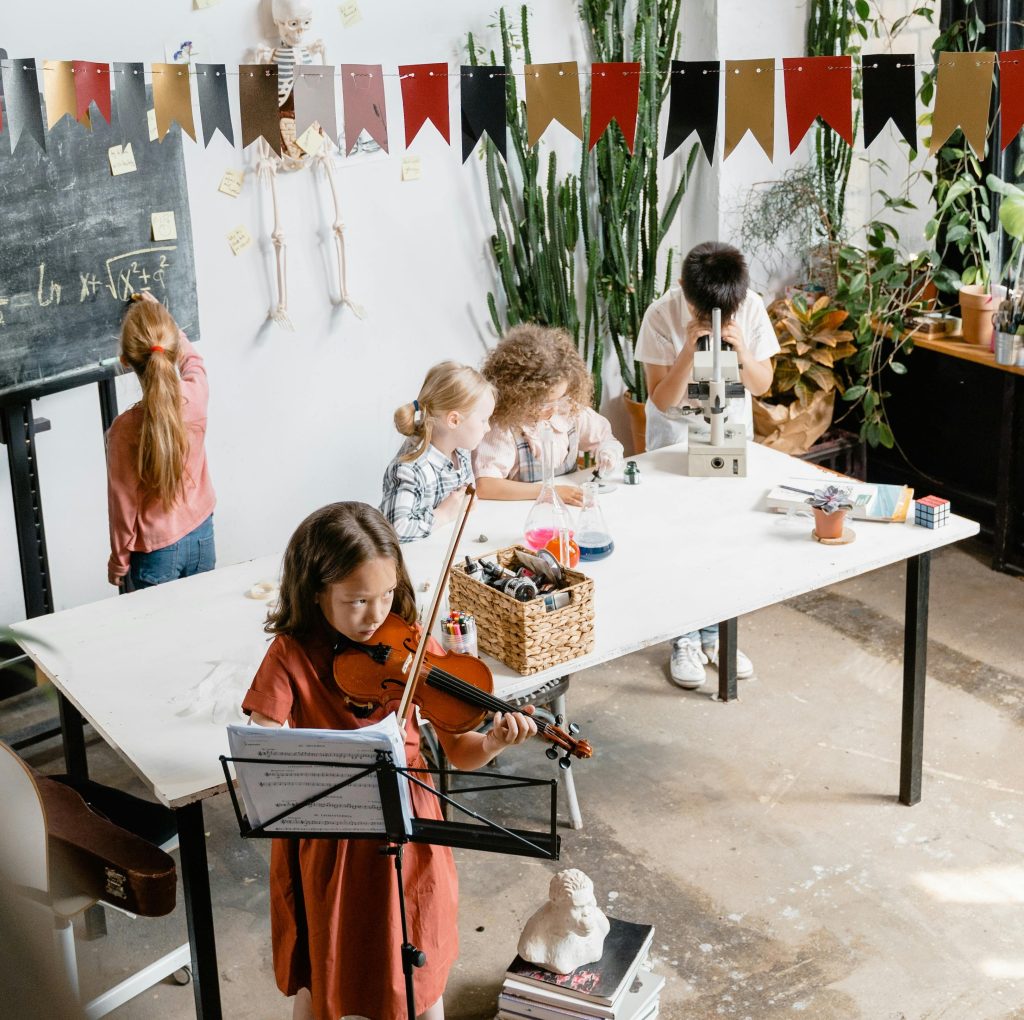
What kind of life and social skills will today’s 6-year-old children need in 15 years’ time to be able to live meaningful, substantial lives as adults in a world where the value of everyday life is not measured by eight hours of work, and feel whole, meaningful and happy in their lives? Is it possible to develop these skills in 6-10 year old primary school students, and if so, how? And the most important question is what tools can be used to develop these skills?
In addition to the above questions, the project seeks to answer what would be the most appropriate development tools for these skills, according to the age of the children. During the implementation of the project, we intend to focus on three main methods: traditional educational games, innovative methods of active/hands-on learning, and gamified STEAM programs that take into account the age-specific characteristics of learners.
Objectives – What do we want to achieve?
The project aims to develop the future skills of of primary school students through learning activities, traditional games and gamified STEAM learning approach, in order to enable them to face the challenges of a digitalised and robotised world in a more prepared and efficient, productive, happy and balanced way. We’ll develop an innovative model and tools that can support primary school teachers to engage children in the informal & formal development of their competences while retaining their innate learning skills and STEAM curiosities.
Implementation – What activities are we going to implement?
The partners will develop a survey on the possibilities for transversal skills development in primary schools. The results will be used to design a comprehensive model combining transversal skills, the age of the students and the traditional games used for educational purposes, learning activities and gamified STEAM, and to develop toolboxes adapted to the model. Based on the theoretical model and methodologies, a complex school pilot and in-service teacher training will be developed.
Results – What project outcomes do we expect our project to have?
Strengthened and proven knowledge about current status of using transversal skills in primary school via international survey. Supporting teachers in implementing competency-based teaching and enhancement of the transversal skills of students through the comprehensive model and the toolboxes. Supporting teachers’ professional development with the teacher training course. Improving the quality of education and training in Europe through the dissemination of project results and best practices.