Learning activities – active learning
Active learning tools and methods can be implemented at different levels of complexity. This perfectly supports the requirement to tailor them as closely as possible to the learners’ age specificities, learning needs, existing strengths, to provide exciting but realistic challenges and to ensure an appropriate, manageable and developmental level of cooperation. In the following, we distinguish between active learning tools ( such as case studies, role playing, brainstorming) and active learning methods (such as Phenomenon-based learning, Inquiry-based learning, or thinking). All of these methods can be perfectly integrated into the gamified STEAM approach.
Go to the learning activities →
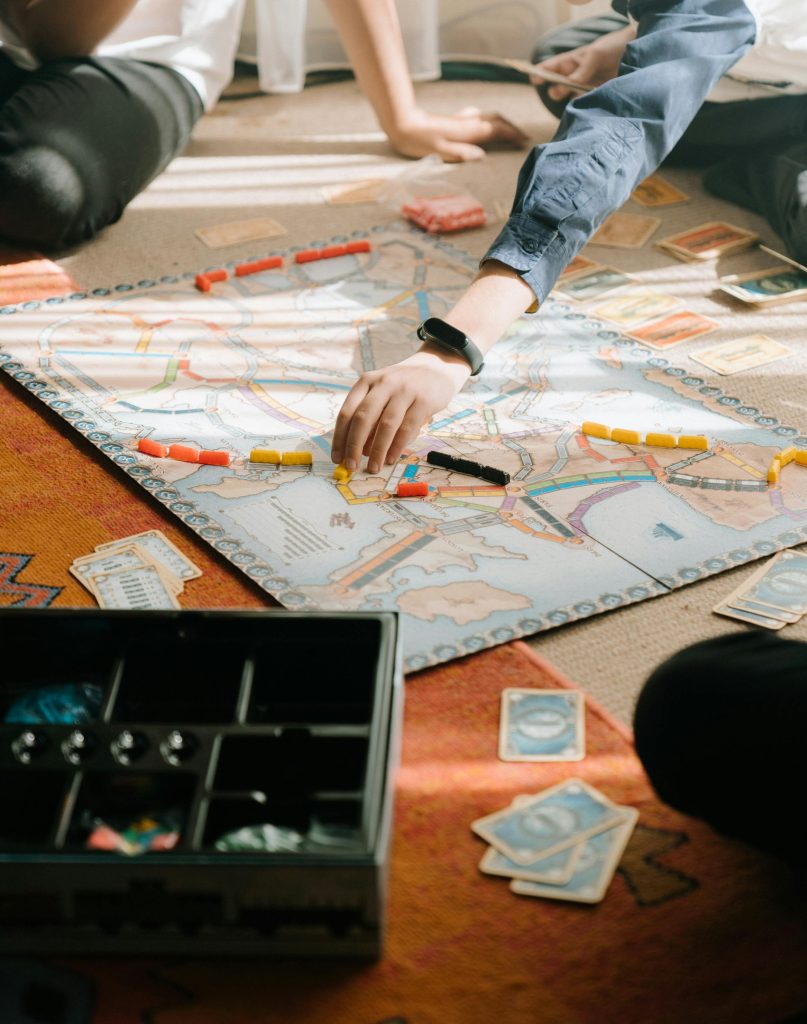
Traditional games for happy life
Game-based learning has been around for a long time and can be advantageous for many reasons when used as an educational tool. It provides opportunities for deeper learning, develops a child’s non-cognitive skills (such as social and emotional skills, persistence, and resilience), and motivates them to learn.
Go to the games →
Gamified STEAM approach
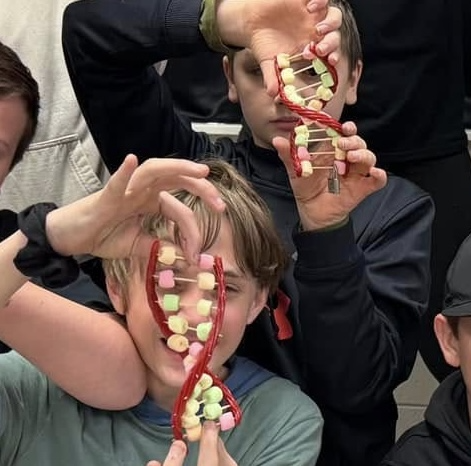
The importance of teaching STEM subjects is marginalised a bit the fact, that „doing” STEAM „things” is great fun, and it makes the learning exciting and life-like. Using the STEAM approach is not about Pressure multiplied by Volume divided by Temperature is always constant, but about feeling that the pump, when you pump up the wheel of the bicycle, heats up and discover the why. Our STEAM approach focuses on to make the learning exciting and a good game for the children. We take advantage of this when we use STEAM not as a goal, but as a tool.
Go to the STEAM programs →