
Valuing people and nature
Valuing People and Nature is the skill of recognising the intrinsic worth of both human beings and the natural environment. This involves understanding the interconnectedness between human well-being and the health of the planet. It includes a conceptual and procedural grasp of sustainable development as essential for a thriving future. This skill promotes respect for ecosystems, responsible resource use, and a balanced relationship between people and nature, which are crucial for long-term sustainability and societal well-being. Beyond awareness, valuing people and nature requires taking responsibility and transforming values into concrete actions that nurture and protect both humanity and the planet, ensuring a sustainable legacy for future generations.
-
Debating
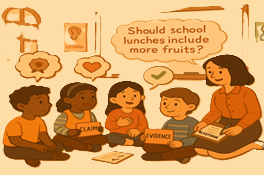
Introducing debate in elementary school might seem challenging at first, but if we view it as a structured, controlled and coached exchange of opinions, it becomes one of the most effective tools for developing the ability and willingness to understand one another, to take each other’s opinions into account, to appreciate each other’s thoughts, and, through this, to value one another – in other words, the skill of valuing people. The regulated framework of debate gently but firmly shifts 6-10 year old child’s out of this state.
-
Equity-in-Cooperative-Learning-Groups
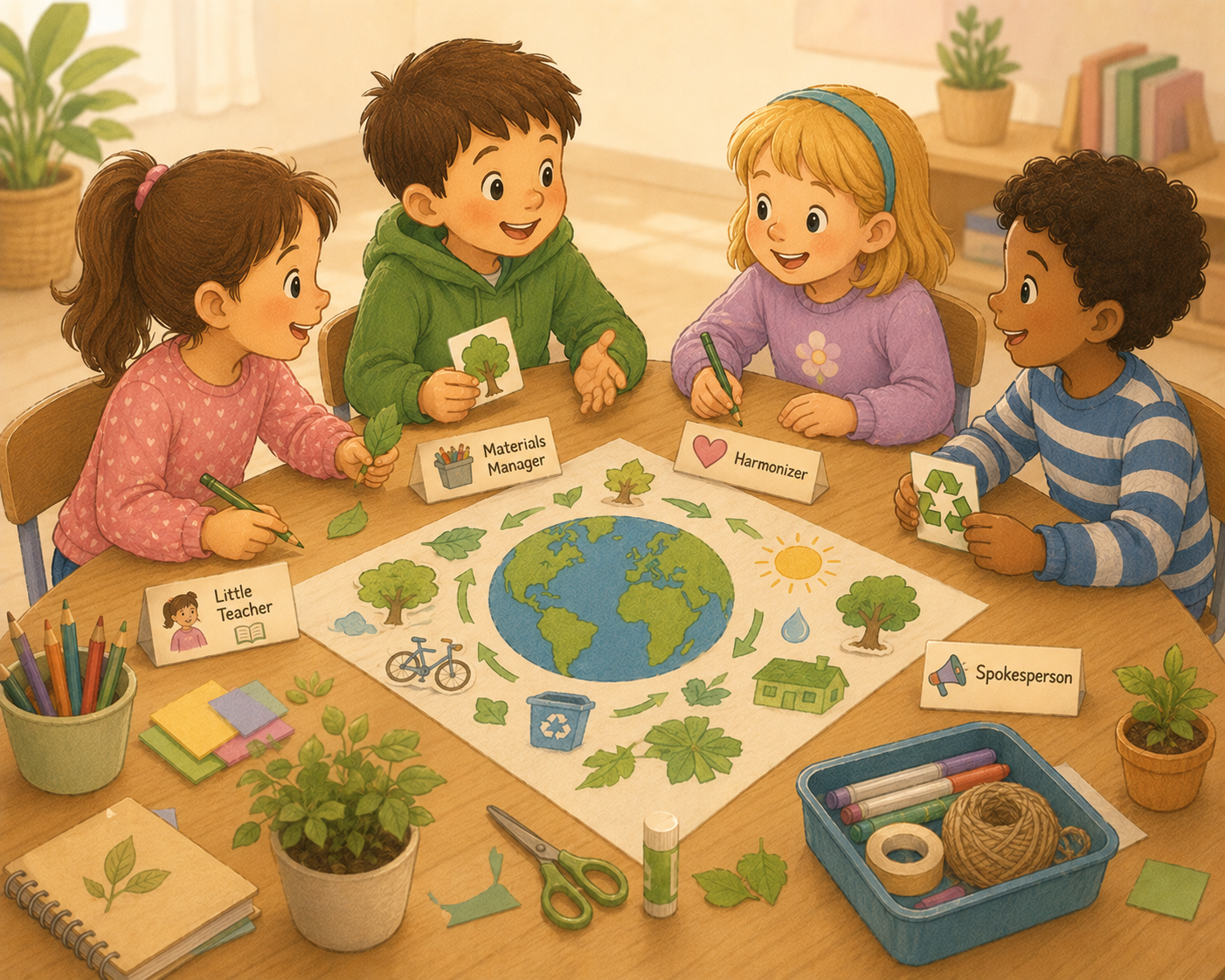
Cooperative-Learning-Groups is a complex active learning method based on high-level group work that creates equal opportunities, eliminates status differences within the group, and focuses on mutual respect. It combines the practices of Stanford University and the Hungarian Complex Instruction Program. It allows for the dismantling of status differences (knowledge, ability, and social hierarchies) within the classroom and the integration of disadvantaged or marginalized students.
-
Gallery walk
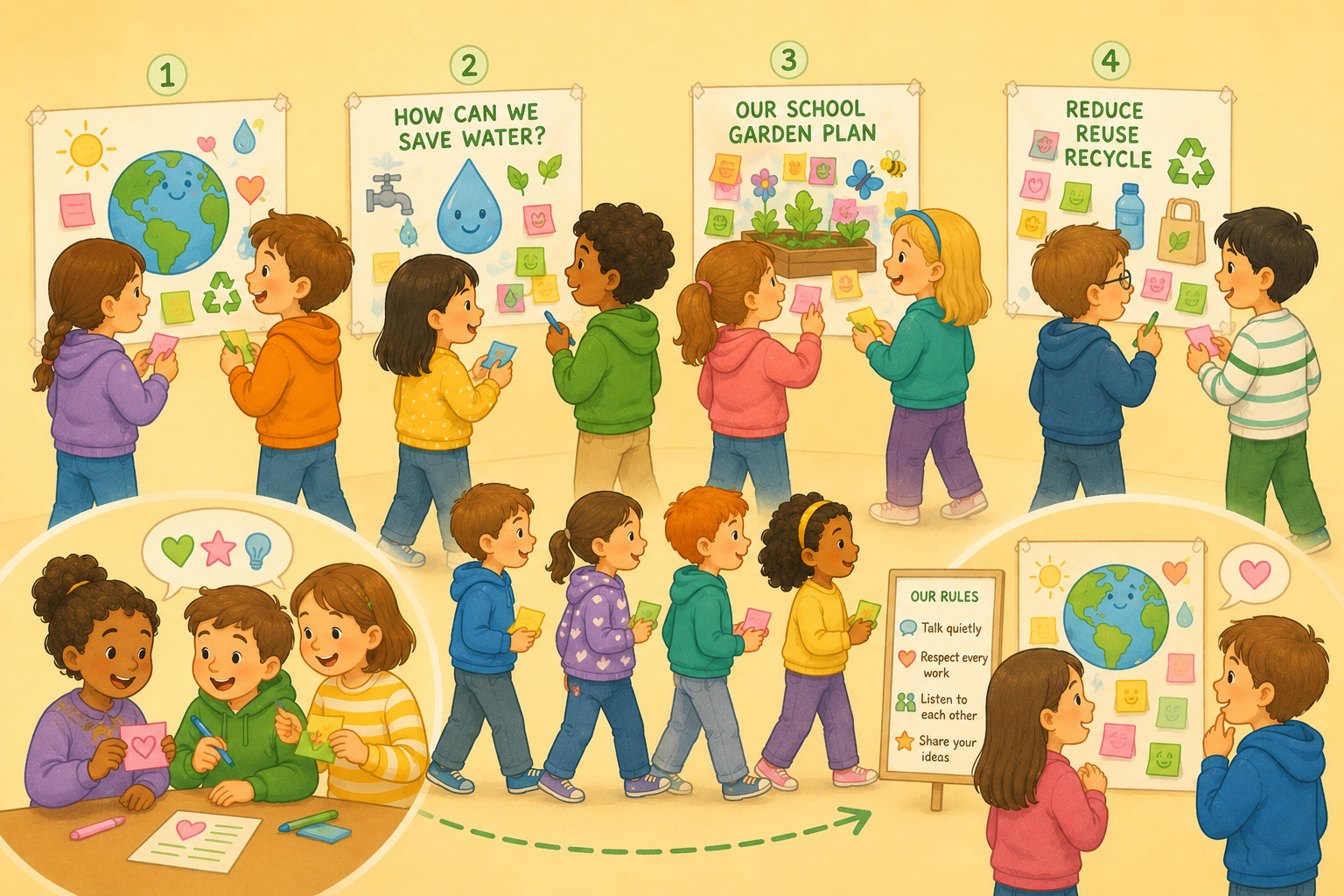
This is an interactive learning method where students walk around in small groups, station by station (posters, drawings, tasks) placed in different parts of the classroom. As they circulate through the classroom, they observe their peers’ ideas and leave constructive feedback using notes, drawings, or symbols. The activity encourages appreciation of diverse perspectives. By engaging with multiple viewpoints, children learn that different opinions can coexist and that every contribution has value. This technique is good for getting children out of their desks, forcing them to connect and speak to each other, and teaching them to value others’ work/ideas in a…
-
Snowball in action
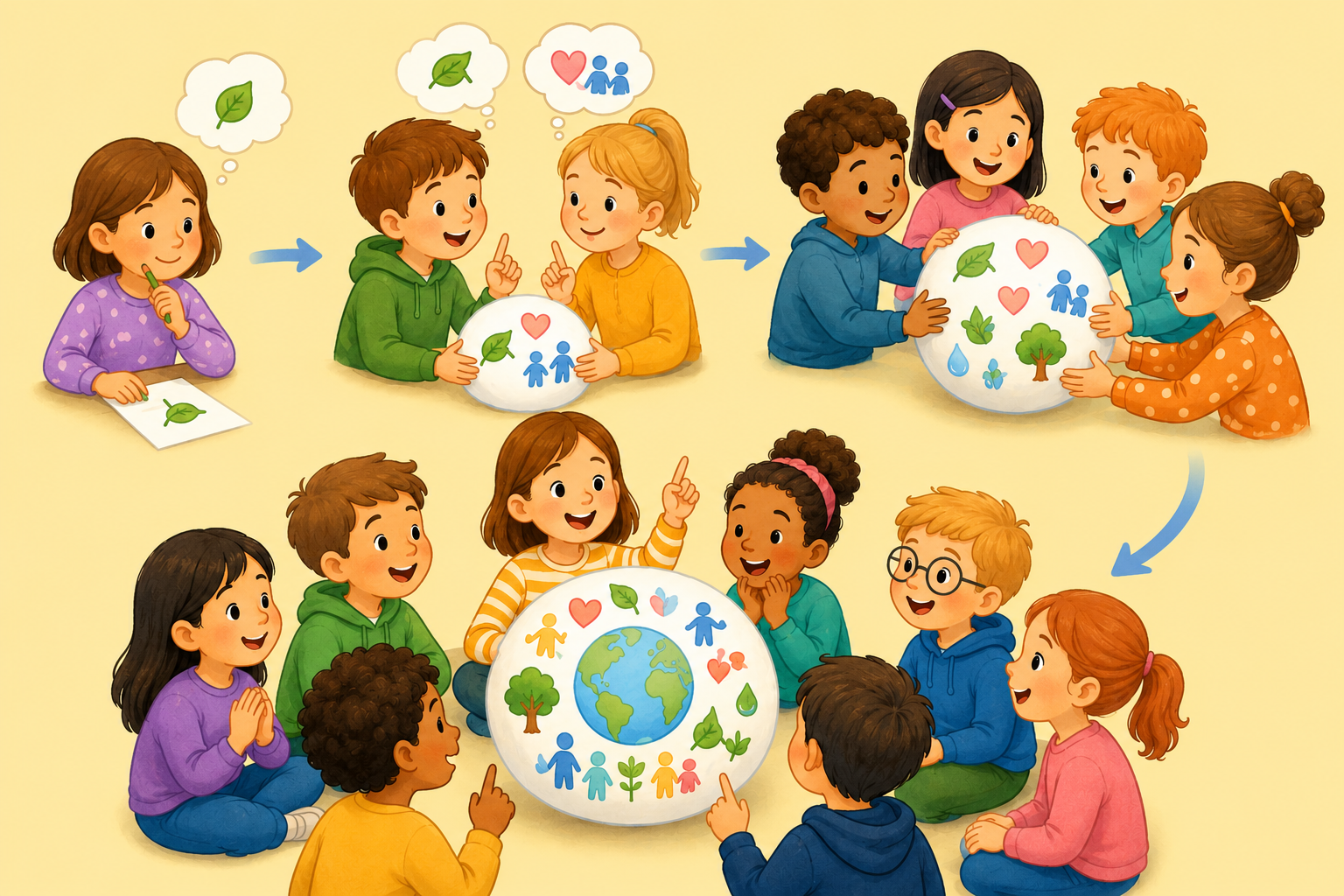
The snowball technique is a structured, cumulative peer-learning activity that builds understanding and consensus step by step: individuals first generate ideas alone, then merge them in progressively larger teams, and finally bring the consolidated thinking to the whole class. Each stage “rolls up” prior contributions like a snowball, refining and expanding them through dialogue. It encourages collaboration, active listening, participation, valuing others’ ideas, and critical thinking, making it a powerful tool for exploring complex ideas.
-
Stations rotation
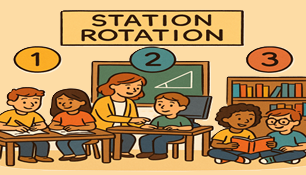
Station Rotation is a blended‑learning model in which the class is divided into several “stations.” Students move from one station to the next on a set timetable. Because many elementary teachers already organize their classrooms into learning “centres,” Station Rotation fits naturally into their routine. It lets teachers give targeted support to small groups while the rest of the class engages in meaningful, self‑paced work. It can be used across subjects – especially in polythematic teaching and multidisciplinary STEAM, where a theme (e.g., water, food, energy, biodiversity, community wellbeing) is explored through science, social studies, language.