
Resilience
Resilience is the ability to adapt to challenges through mental, emotional, and behavioural flexibility. It is not just a personal trait but arises from the interaction between individuals and their environment, like family, community, and society. Resilience is the process and outcome of successfully adapting to difficult or challenging life experiences, especially through mental, emotional, and behavioural flexibility and adjustment to external and internal demands. A number of factors contribute to how well people adapt to adversities, including the ways in which individuals view and engage with the world, the availability and quality of social resources, and specific coping strategies.
-
Kindness Tree
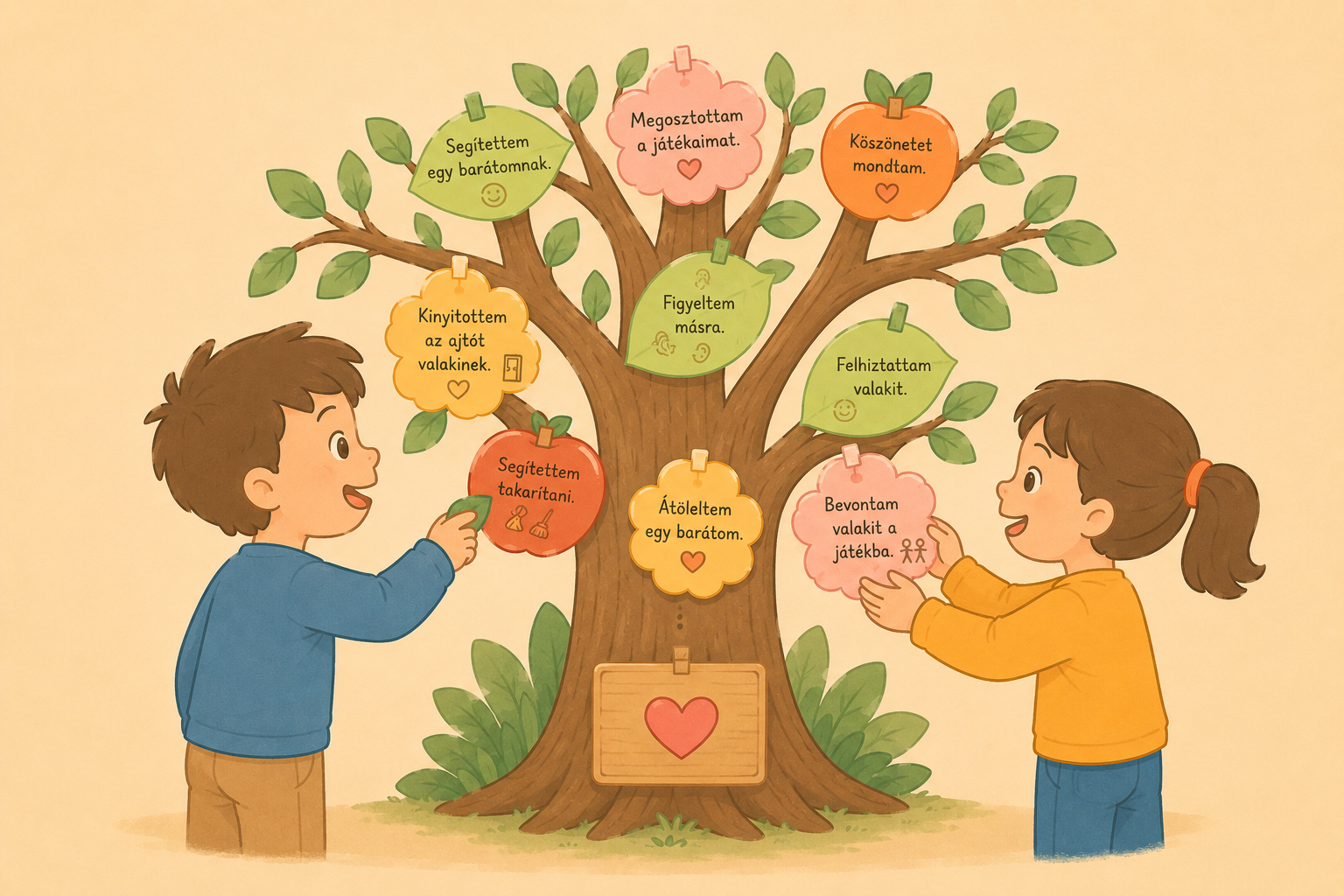
The Kindness Tree is a creative activity for children that promotes kindness, connectedness, and self-control, and through these, resilience. The activity focuses on developing the three fundamental elements of resilience, such as developing and maintaining supportive social relationships, self-control, emotional regulation, and communication. Students write or draw their own kind actions on paper leaves and attach them to a shared classroom tree. As this tree visually grows, it actively reinforces empathy, boosts self-confidence, and creates a highly supportive community.
-
Group drawing
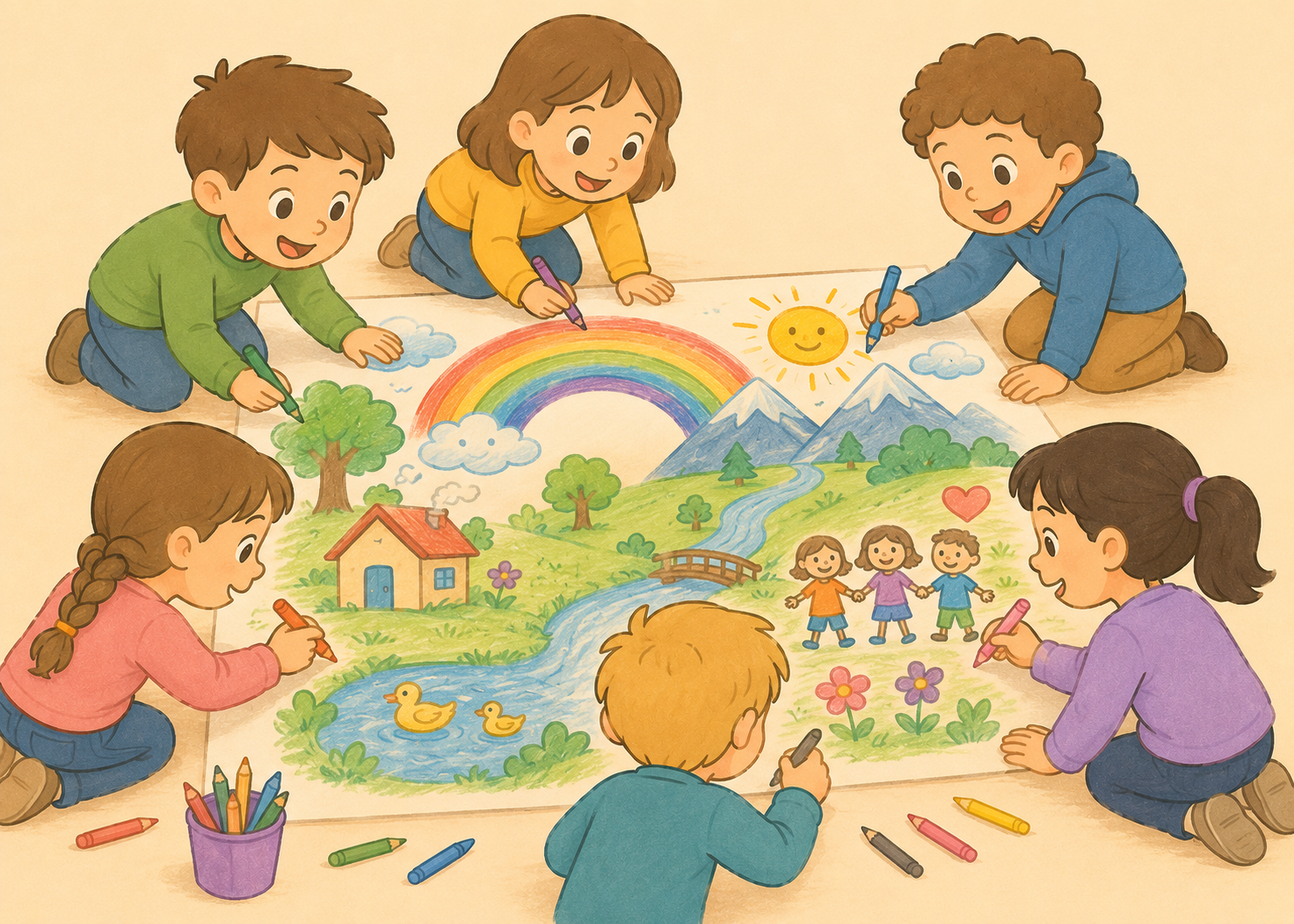
This activity focuses on developing another fundamental element of resilience: a future-oriented mindset and optimistic outlook. The children work together to draw a much more positive “future situation” – which we call the dream position – compared to a “situation” defined by a teacher. Every student’s contribution must be clearly represented in the co-created, unified artwork. This activity can be linked to any subject where visual expression is possible. This activity is effective and develops resilience only if the children work together, rather than the artwork reflecting the ideas of just one dominant child.
-
Say and show
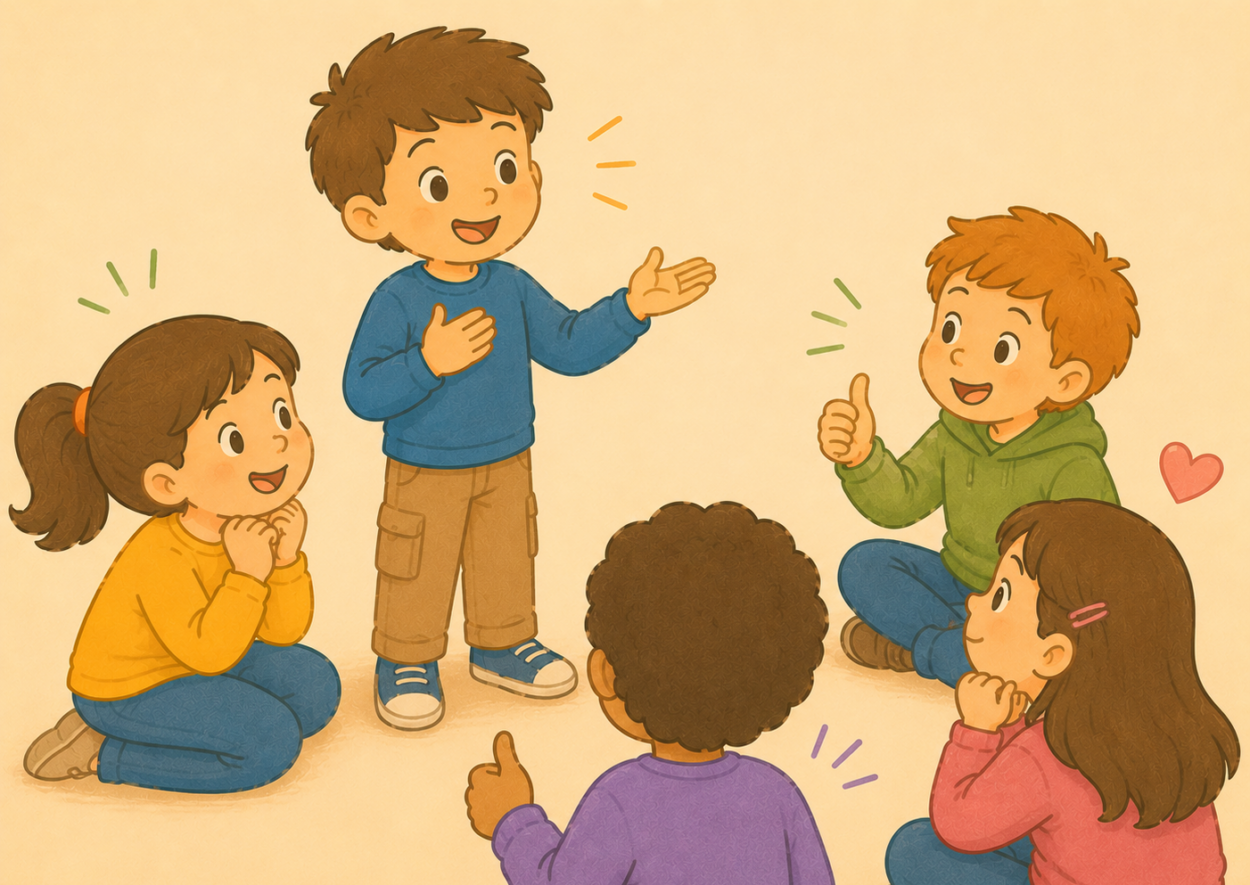
It is a growth mindset development activity. The children learn how to give authentic and credible (expressed through words and body language – said and shown) positive and supportive feedback on their peers’ work (e.g., drawings, math problems, reading out loud, etc.) that praises the effort and process and suggests strategies for improvement in case of mistakes. The children work in pairs or small groups: they praise each other’s work or suggest improvements. The teacher will role-model, teach, provide a framework, and guide the process, and at the end, a joint discussion will help with reflection.
-
Sadness Eater
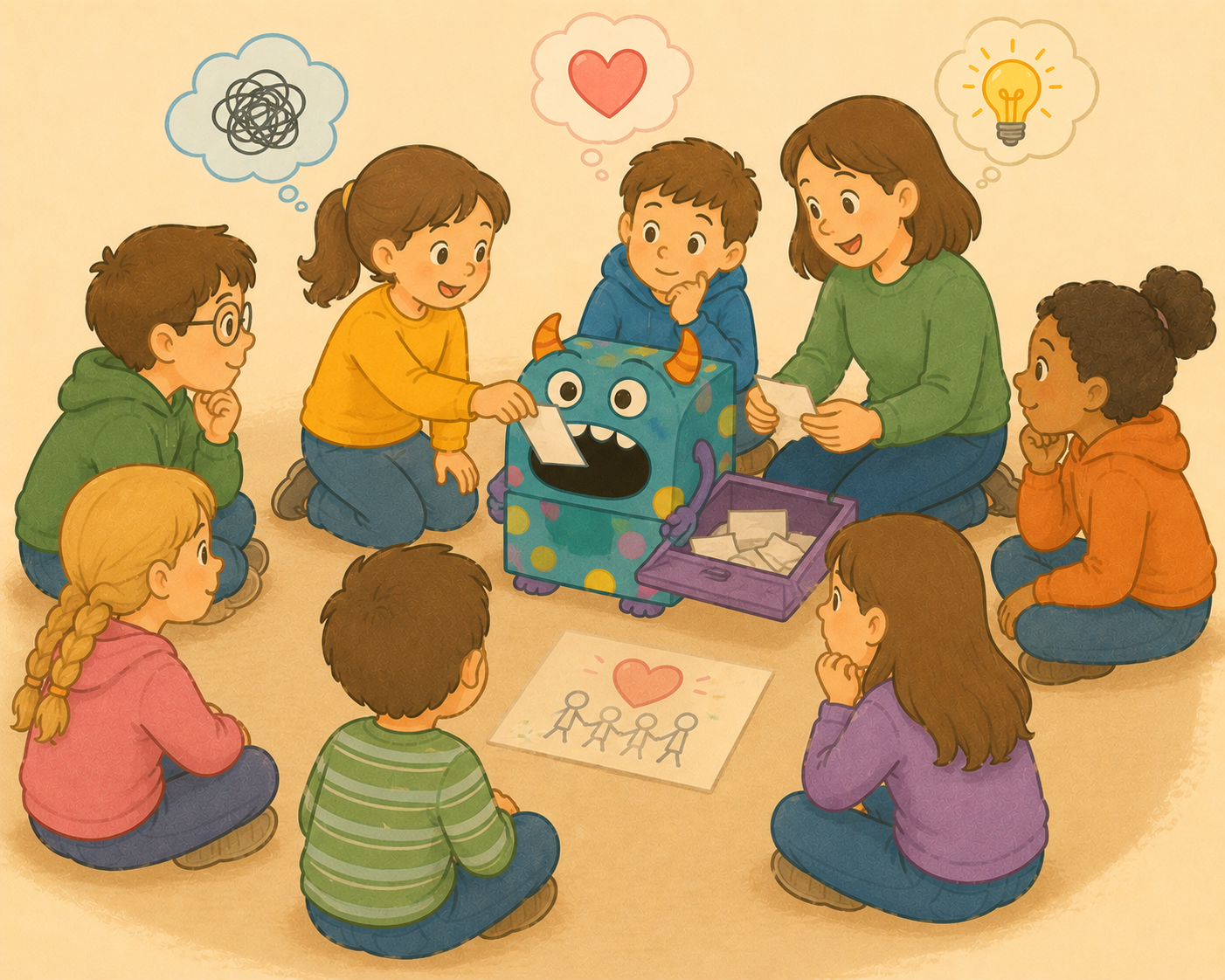
The Sadness Eater is a decorated box that “swallows” or “devours” problems and worries. Children write down their troubles (whether real or perceived grievances) on a piece of paper and anonymously place it into the mouth of the Sadness Eater, thereby helping to reduce emotional burdens. The box is emptied regularly, and the class attempts to find solutions to the written problems. It is recommended to do this either at the end of each school day or on the last day of the week. This activity is not subject-specific and is designed to support group cohesion.
-
Fishing
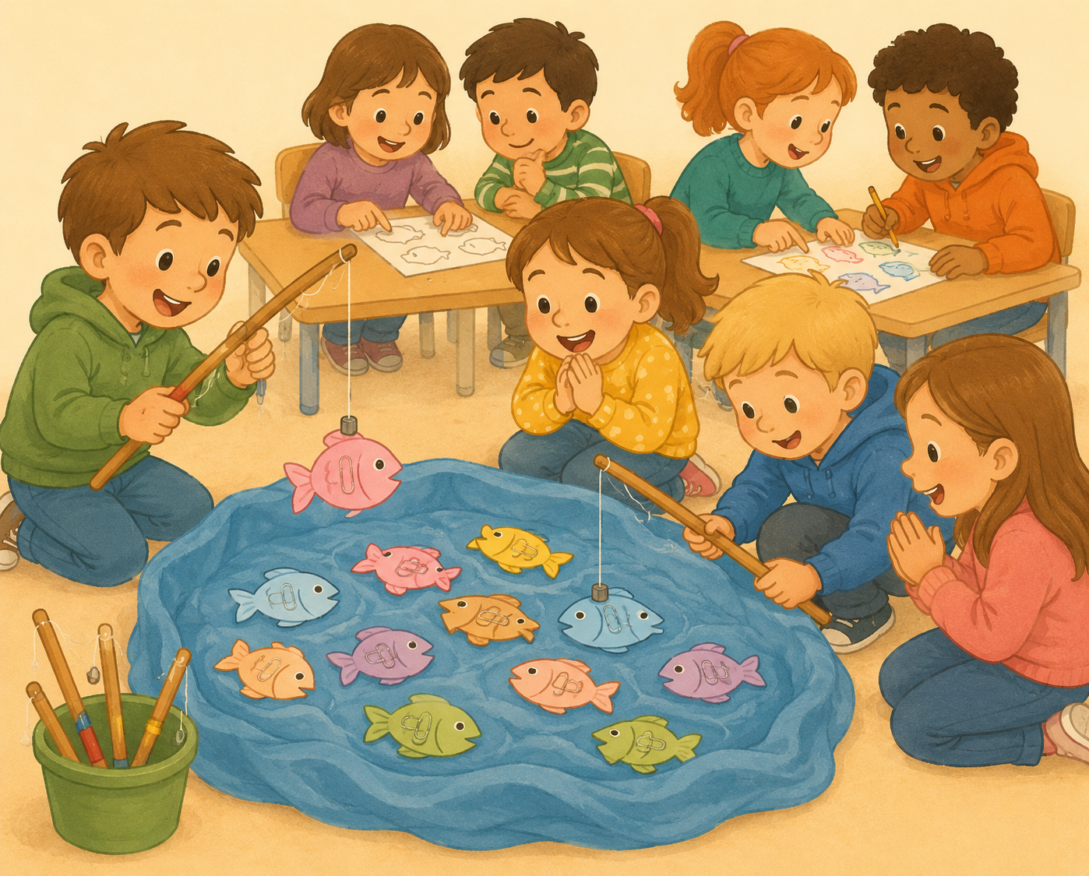
This learning activity focuses on developing the following four areas of resilience: future-oriented mindset and optimism; flexibility and problem solving; perseverance and self-control; emotional awareness, regulation, and communication; and supportive social relationships. It is a competition-based learning activity. During the challenge, children may experience failures, things may not work as they had planned, but even then, they must control their emotions and do everything they can to help their team win.