
Flexibility
Flexibility is the ability to adapt to new situations and changes. It is the willingness to change. It involves being open to different ideas, adjusting to unexpected events, and finding new ways to solve problems. Flexibility is important because life is constantly changing, and being flexible allows us to cope with challenges in a calm and effective way. It’s not just about accepting change, but also being able to adjust our thoughts, emotions, and actions to meet new demands or circumstances, whether they are in our personal life, work or social environment. Flexibility helps us move forward and make the best of difficult situations
-
Flipbook
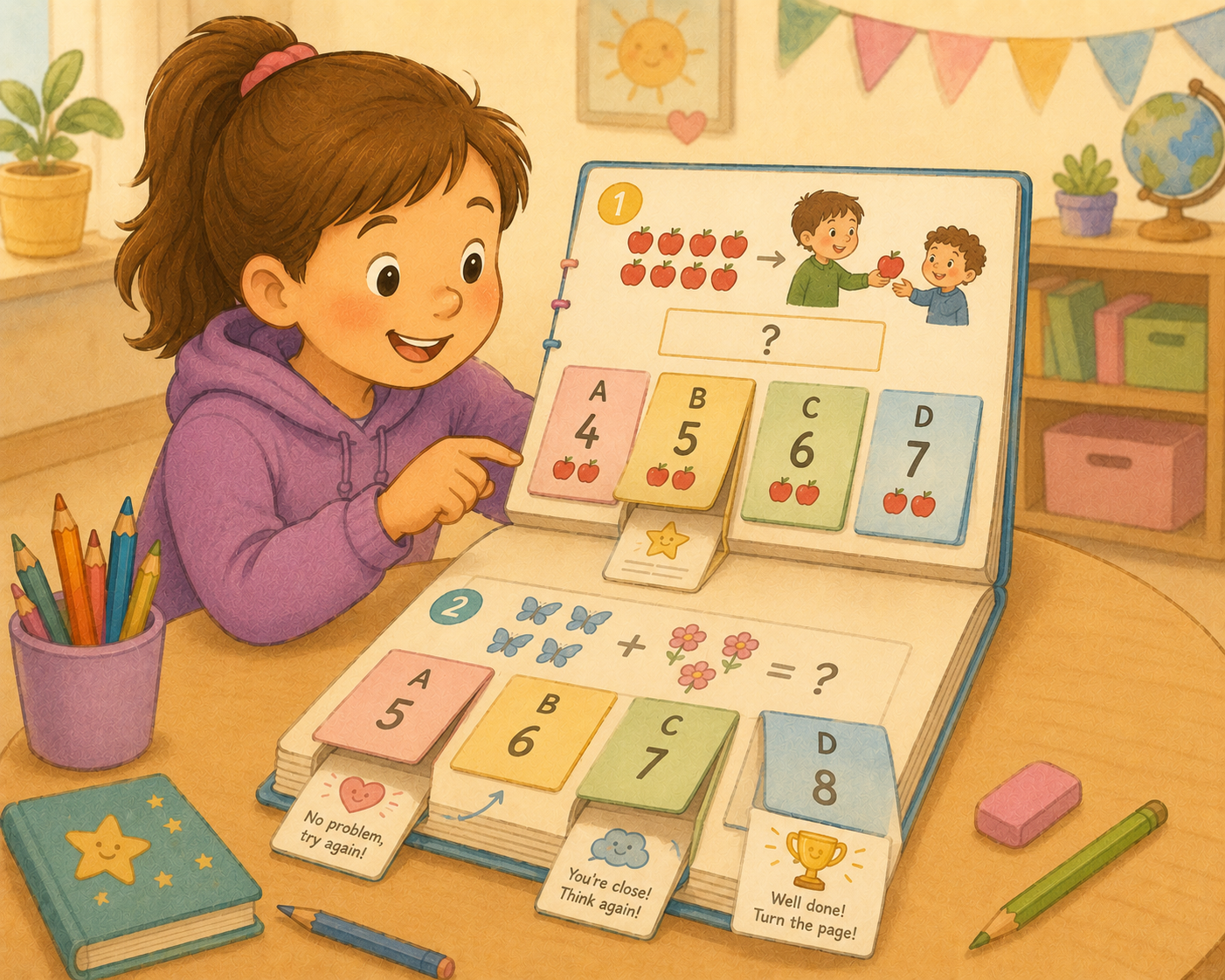
Students have to complete the task from the initial question to the final question by finding the correct answer before they can move on to the next question. The tool for this activity is a book with one question/task and four answers on each page, including only one correct answer. The answers are written on four window-like panels (like an advent calendar book), which, when opened by the child, contain further instructions (if the answer is correct, there is another exercise; if the answer is not correct, there is supportive feedback and a guided question).
-
Writing an encyclopedia entry
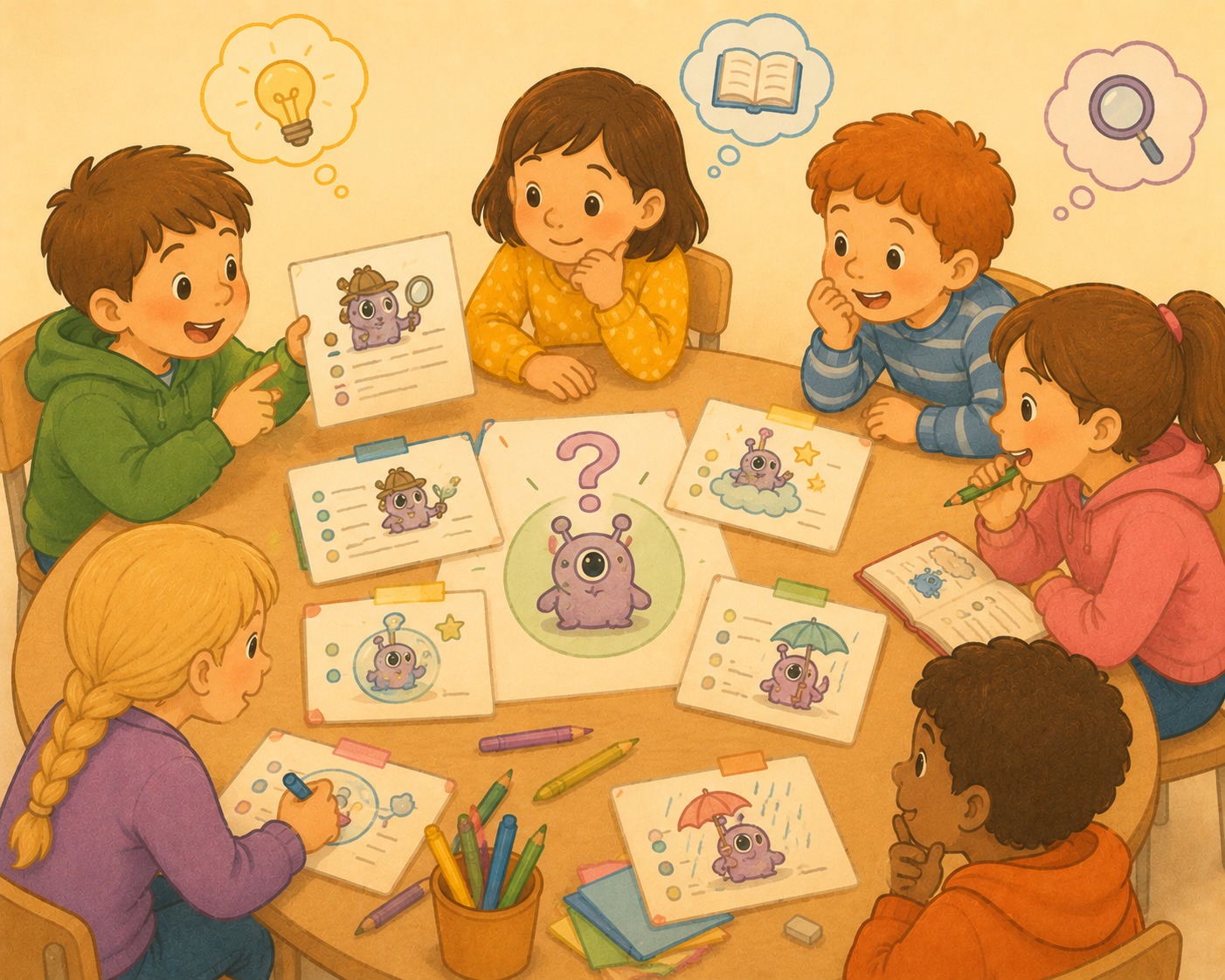
This focuses on developing students’ ability to adjust their thoughts, emotions, and personal attitudes toward a given topic to meet new demands or circumstances, while adopting others’ ideas in whole or in parts. Children work together to create an alternative dictionary definition for a specific word. These creative entries are mixed with the official dictionary definition and then redistributed. Groups read a selected entry aloud and must explain why they can accept parts or all of it. By actively justifying their peers’ interpretations, students practice adopting new perspectives, tolerating different viewpoints, and embracing multiple valid descriptions of a single concept.
-
Secret instruction
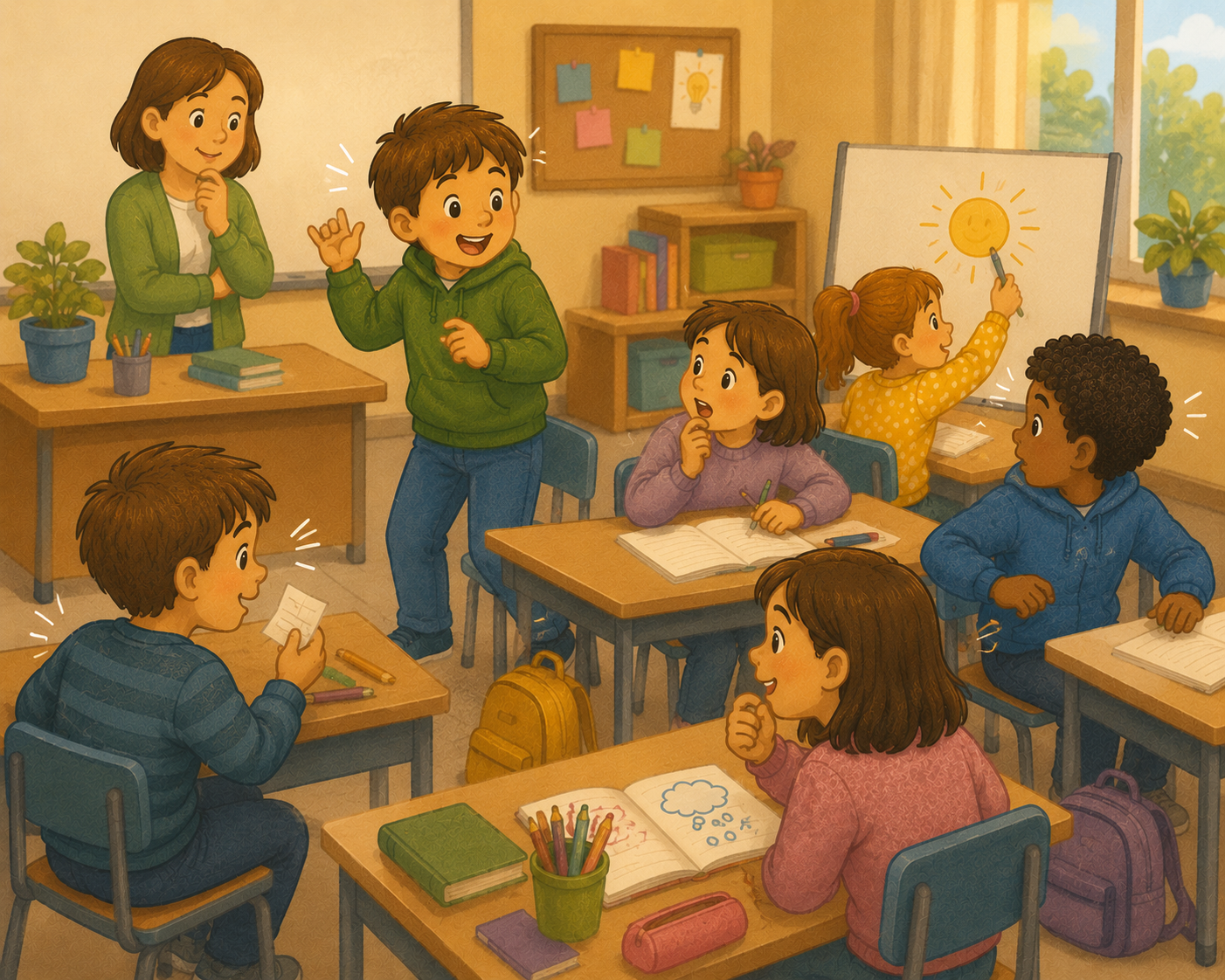
This is a variable-length flexibility-building classroom activity for students aged nine and older. At the beginning of the lesson or session, each student (or some of the students, depending on their age and the time available) receives a small piece of paper with a two-sentence instruction written just for them, which does not fit into the normal routine of the lesson. One sentence contains a condition, the other an instruction. Students must carry out their normal classroom activities, pay attention to the teacher, answer questions, etc. They must stay alert and execute their unique task the exact moment their condition…
-
Abracadabra – Object Magic
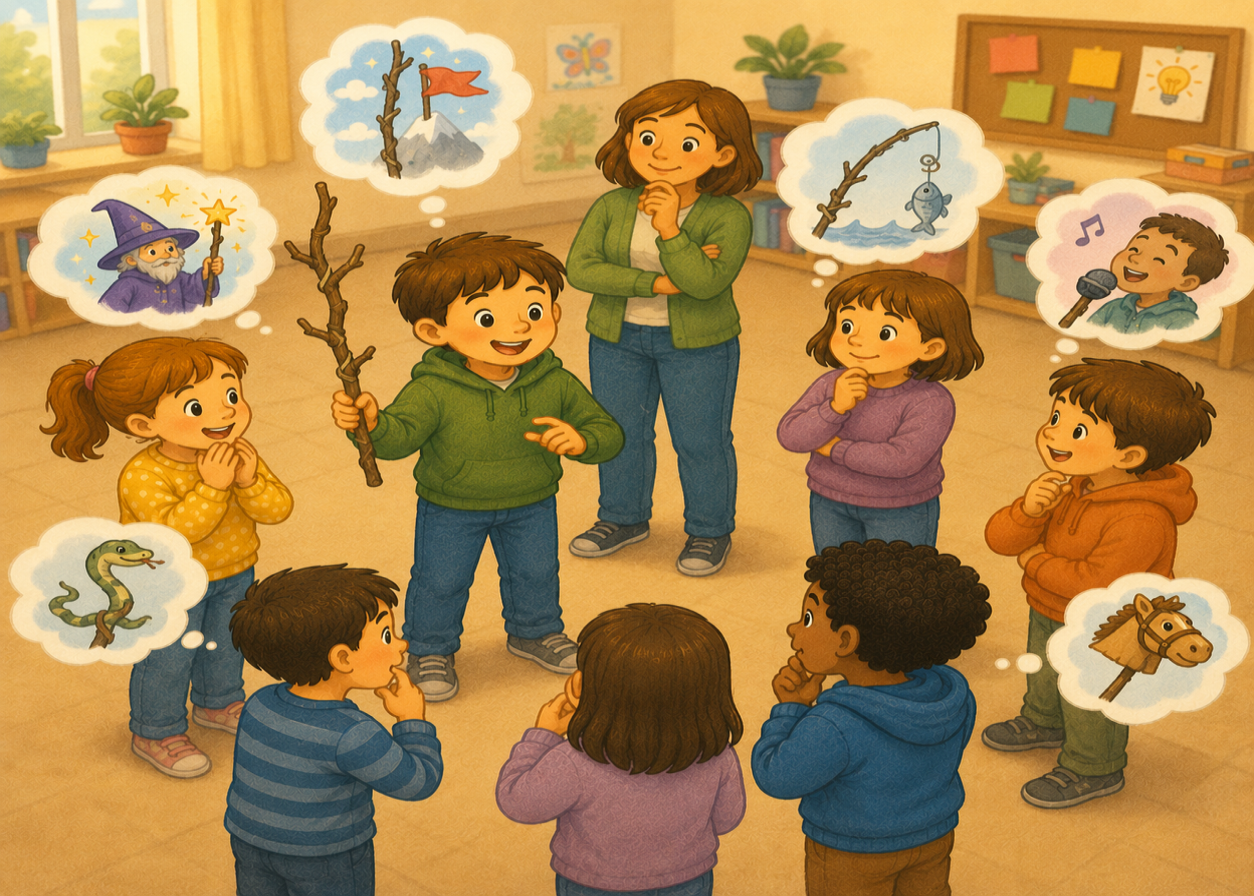
During the activity, children use their imagination and creativity to transform an everyday object (e.g., a pencil) into something completely new and different. After saying the magic words (“Abracadabra, this pencil is no longer a pencil, but a…”), they present it as a new object and demonstrate how it can be used and how it works. In doing so, they try to convince the other pupils to see the object in the same new way. This process focuses especially on situations in which another pupil does not yet grasp the new idea. The aim is to help that pupil shift…
-
Challenge Dice
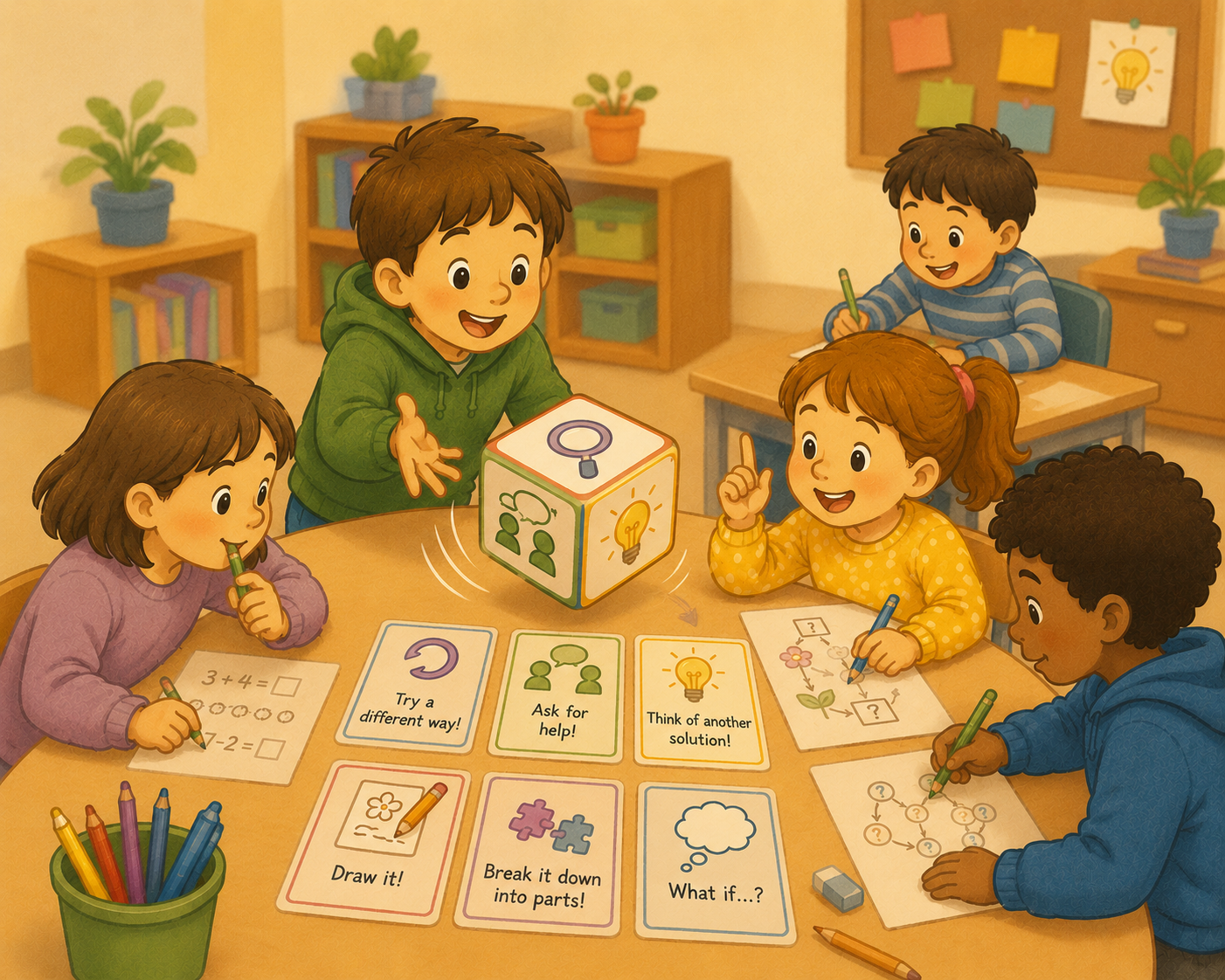
The “Challenge Dice” is a variable-length task for children ages 6 and up that develops their cognitive flexibility. If they get stuck on a task, the children roll a special die containing instructions such as “Draw it!” or “Ask for help!” This encourages them to try different approaches and use different strategies instead of giving up. By reducing the fear of making mistakes, this playful exercise also builds their problem-solving confidence, creativity, and teaches children that there can be multiple solutions to a problem. The goal is to develop cognitive flexibility playfully and engagingly.