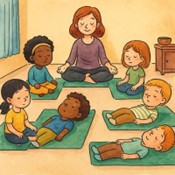
Emotional awareness regulation and communication
For the past 50 years, it has been evident that developing emotional competence is a cornerstone of promoting the well-being of children and adults. Emotional competences are broad and multifaceted, encompassing three key aspects: emotional awareness, emotion regulation, and communication of emotions. Emotional awareness is the ability to recognize and identify one’s own emotions and those of others, involving understanding personal feelings and associating them with specific experiences. Emotion regulation refers to managing emotions appropriately and productively, rather than reacting impulsively, teaching children to calm themselves, express frustration constructively, and deal with intense emotions like anger or sadness positively. Communication of emotions involves expressing feelings clearly and respectfully, verbally and non-verbally, enabling children to share what they feel, avoid misunderstandings, and build deeper connections with others. Together, these components form the basis for emotional competence, supporting personal and interpersonal growth.
-
Emotion Regulation Station Rotation
Age group Student number Duration 6-10 years old 12 to 25 children (teams of 4-6) 30-40 minutes Skill focus/goal(s): Primary Skill Focus: Complementary/Secondary Skill Focus:
-
Emotional Mirror (Think-Pair-Share)
Age group Student number Duration 6-10 years old 10 to 25 children (pairs or small groups) 30 minutes Skill focus/goal(s): Primary Skill Focus: Complementary/Secondary Skill Focus:
-
Emotional Path (outdoor)
Age group Student number Duration 6-10 years old 8 to 25 children 30 minutes Skill focus/goal(s): Primary Skill Focus: Complementary/Secondary Skill Focus:
-
Mindful Breathing Journey
-
My Emotion Journal

Age group/Grade Student number Duration 6-10 years old Individual or whole class (up to 25) 30 minutes (can be repeated regularly) Skill focus/goal(s): Primary Skill Focus: Complementary/Secondary Skill Focus: