Connectedness
Connectedness is the ability to recognize and engage with the broader community, both locally and globally. It goes beyond sociability and collegiality, embracing a sense of shared humanity and responsibility. This interconnectedness is shaped by relationships through communication, travel, migration, trade, and political systems. On a cognitive level, connectedness involves understanding global, regional, national, and local issues, while recognizing the interdependence of different countries and populations. Socio-emotionally, it involves empathy, solidarity, and respect for diversity. Behaviorally, it means taking actions that promote peace, sustainability, and social cohesion, fostering environments where people care for one another.
-
Object Lesson Energiser
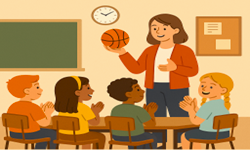
Object Lesson Energiser is a quick energiser in which the teacher uses a physical object to teach an abstract concept, capture attention, build connections, and introduce or reinforce it in an active, memorable way. Designed for students aged six to ten, this quick fifteen-minute activity actively builds peer connectedness. Children examine symbolic items, like a braided rope, and participate in discussions to map these physical objects to social relationships. By closing with a physical ritual and a shared commitment, students cement their understanding of community support.
-
The Yarn Network
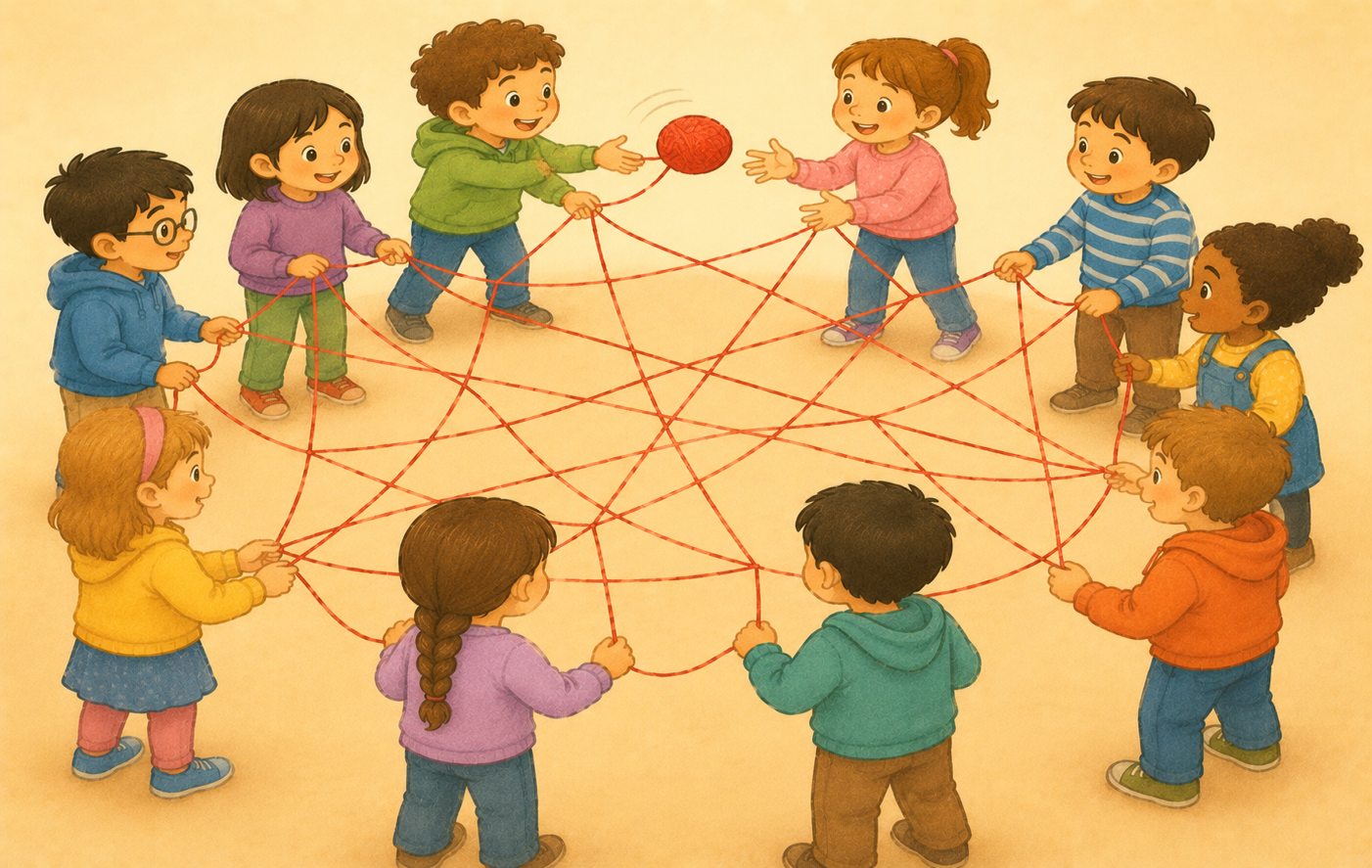
The “Yarn Network” is a quick energizer (and/or icebreaker) exercise in which the teacher uses a physical object to teach a concept relevant to the lesson. In this exercise, the teacher uses a simple ball of yarn. The students stand in a circle and, by tossing the ball of yarn to one another (while holding the yarn in their hands), create a large, physical web. When one child lets go, the sagging web proves everyone is essential. This activity helps the elementary students visually understand connectedness.
-
The Jigsaw (mosaic) Method
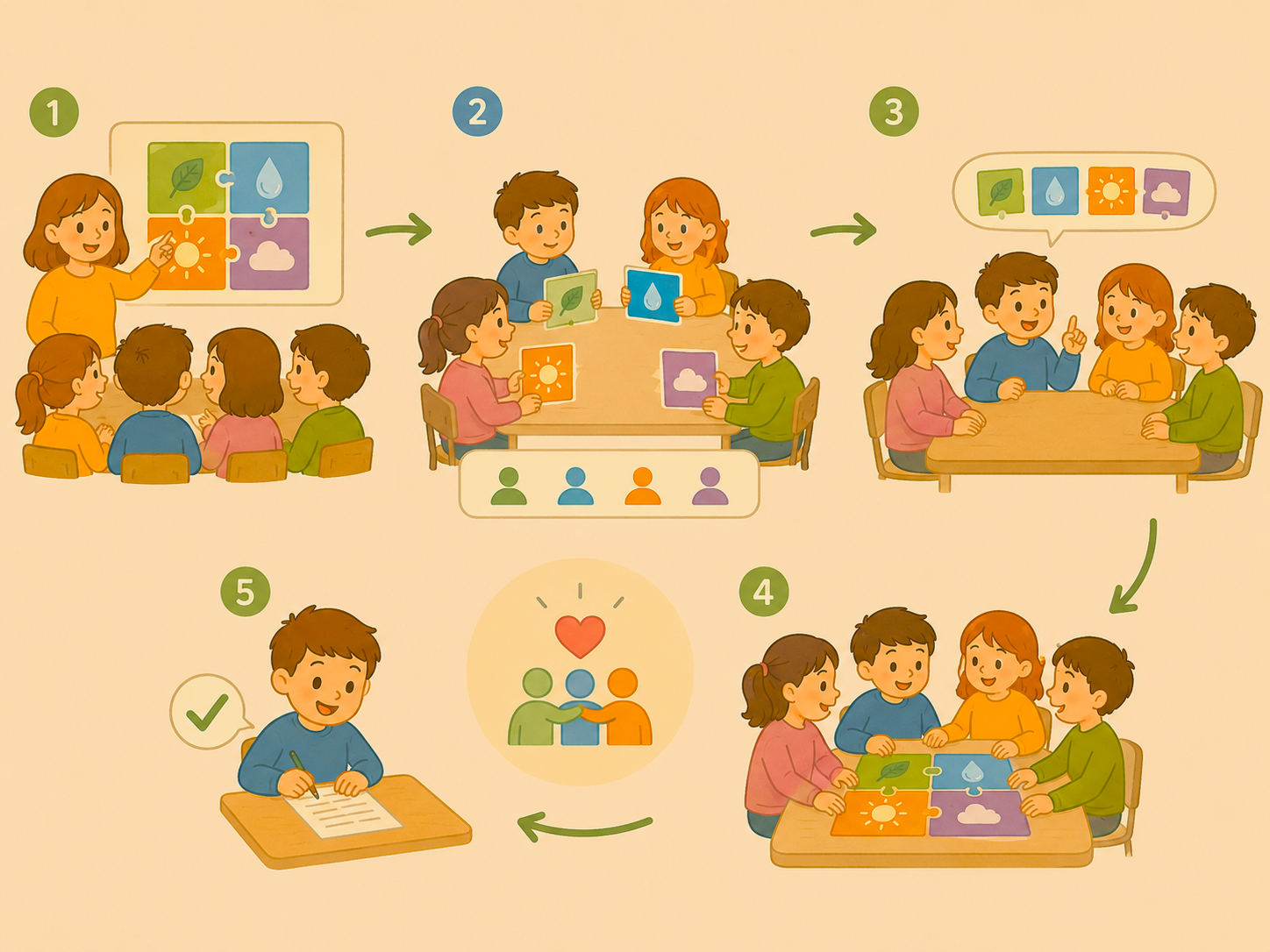
The Jigsaw Method was developed by an American social psychologist in 1971 to avoid conflict situations and increase cooperation by strengthening relationships among students. The essence of the method is that the learning content is divided (like a jigsaw puzzle) into as many parts as there are members in each base group (so-called jigsaw group). Students first collaborate in “expert groups” to master their assigned section. Then, they return to their original teams to teach their peers, ensuring the complete lesson comes together through shared knowledge.
-
Concept Mapping
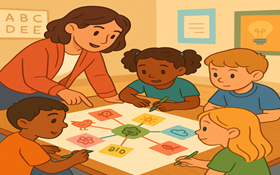
In primary education, concept mapping is a visual teaching and learning technique where students draw key ideas as nodes and connect them to show relationships, combining what they already know with new information. These maps help students organise and deepen understanding, spark discussion, and give teachers a quick way to assess how well concepts are connected; there is no single “right” map, which supports individual meaning-making and growth. Designed for students aged six to ten, this 15- to 25-minute exercise actively builds connectedness through small, actionable steps.
-
Classroom Transformation
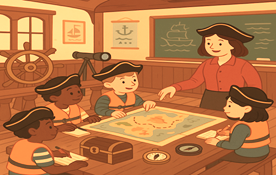
Classroom transformation is a technique and learning activity where the room is temporarily turned into a themed, real-world–like setting that connects directly to the lesson, and students take on roles or do activities tied to that context. It is similar to simulation in that learners get to practice skills in a safe, low-risk environment, but it adds atmosphere, narrative, and sensory elements to boost interest and make the content feel more real. The goal is to weave curriculum content into the immersive experience, so students become active participants, helping them better understand and retain what they are learning Because transforming…