
Grade 1. students
-
Activating the senses – Activity in a nearby meadow or park
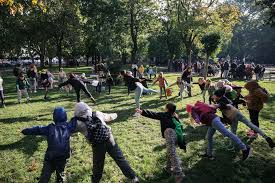
Children often spend their daily lives in artificial environments—frequently in urban settings—surrounded by limited material and natural stimuli. For them, it is especially important to connect with nature through direct, personal experiences. Even for those who live closer to nature, it is valuable to reflect on and organize their spontaneous experiences for deeper understanding. The
-
5. első osztályos

Children often spend their daily lives in artificial environments—frequently in urban settings—surrounded by limited material and natural stimuli. For them, it is especially important to connect with nature through direct, personal experiences. Even for those who live closer to nature, it is valuable to reflect on and organize their spontaneous experiences for deeper understanding. The
-
Negyedik első osztályos
Children often spend their daily lives in artificial environments—frequently in urban settings—surrounded by limited material and natural stimuli. For them, it is especially important to connect with nature through direct, personal experiences. Even for those who live closer to nature, it is valuable to reflect on and organize their spontaneous experiences for deeper understanding. The
-
harmadik első osztályos
Children often spend their daily lives in artificial environments—frequently in urban settings—surrounded by limited material and natural stimuli. For them, it is especially important to connect with nature through direct, personal experiences. Even for those who live closer to nature, it is valuable to reflect on and organize their spontaneous experiences for deeper understanding. The
-
második 1 osztályos
Children often spend their daily lives in artificial environments—frequently in urban settings—surrounded by limited material and natural stimuli. For them, it is especially important to connect with nature through direct, personal experiences. Even for those who live closer to nature, it is valuable to reflect on and organize their spontaneous experiences for deeper understanding. The