Who are we?

Universitatea Sapientia din Cluj-Napoca was established in 2001 and is the independent higher education institution of the Hungarian community in Romania, with the aim of providing tertiary education to the members of our community and performing scientific research on a high professional level.
Our mission is to promote universal human and Christian values; to offer competitive, quality education and research, and to ensure the continuation of the traditions of Hungarian education in Transylvania; to maintain the transparent and consistent management of the university, and to enforce professionalism and the values of academic spirit; to develop a modern, uniform institutional framework that is able to meet regional demands; to develop a wide network of partnerships, based on openness, trustworthiness, dedication and reciprocity. We strive that our academic community be guided by fraternal love, equity, steadiness and righteousness. Our fundamental expectations are ethical behaviour, cognition of and respect for Hungarian and universal cultural values. The life of our institution is defined by participation and the practice of university autonomy. The accredited university has 4 faculties: Faculty of Economics, Socio-Human Sciences and Engineering located in Miercurea Ciuc, Faculty of Sciences and Arts located in Cluj-Napoca, Faculty of Technical and Human Sciences located in Targu-Mures and Faculty of Life Sciences and Sports located in Sfantu Gheorghe. The University is functioning in four different towns: Miercurea Ciuc, Targu-Mures, Cluj-Napoca, and Sfantu Gheorghe. Each of the four study centers has a specific profile, yet they form together an organic university structure. Sapientia University is an institution promoting high-quality education and competitiveness, striving to meet international standards and aiming to prepare professionals able to assert themselves following their graduation, either at home or in any country of the European community. The University offers 33 Bachelor Programmes and 13 Master Programmes. In the academic year 2024/2025 it has 4 Faculties, 2278 students, 219 full-time teaching staff, 203 part-time teaching staff and associate lecturers, 7516 graduated students within the BA&BSc Programmes in 20 graduation years and 1012 graduated students within the MA&MSc Programmes in 10 graduation years (https://sapientia.ro/en/university/about-us/in-numbers).
Our Role in the Project
As a partner in the SPIRIT project, Sapientia Hungarian University of Transylvania played a key role in the implementation of Work Package 2 (WP2): “Survey on existing knowledge and literacy.” In this work package, our institution acted as host and coordinator, ensuring effective collaboration among partners and the achievement of the defined objectives. Our main task was to design and carry out a comprehensive international survey targeting teachers working in K1–K4 education. We led the methodological planning, including the definition of key indicators, the adaptation of the questionnaire to national contexts, and the assurance of international comparability. We coordinated the data collection process, provided methodological support to the partners, and assisted in the translation and consistent application of the questionnaires. Following data collection, we conducted the analysis and synthesis of the results, identifying existing strengths, gaps, and developmental needs related to the current state of education. We also contributed to the preparation of the final WP2 report, which served as a foundation for the following stages of the project, particularly the development of the educational model (WP3) and the launch of teacher training and pilot programs (WP4). The accurate and reliable survey results ensured that the project responded to real educational needs and could be effectively applied in practice. The results of this research were published in cooperation with Eötvös Loránd University (ELTE) as a scientific article in the PedActa journal of educational sciences.
Our Team
Enikő Dr. Tankó
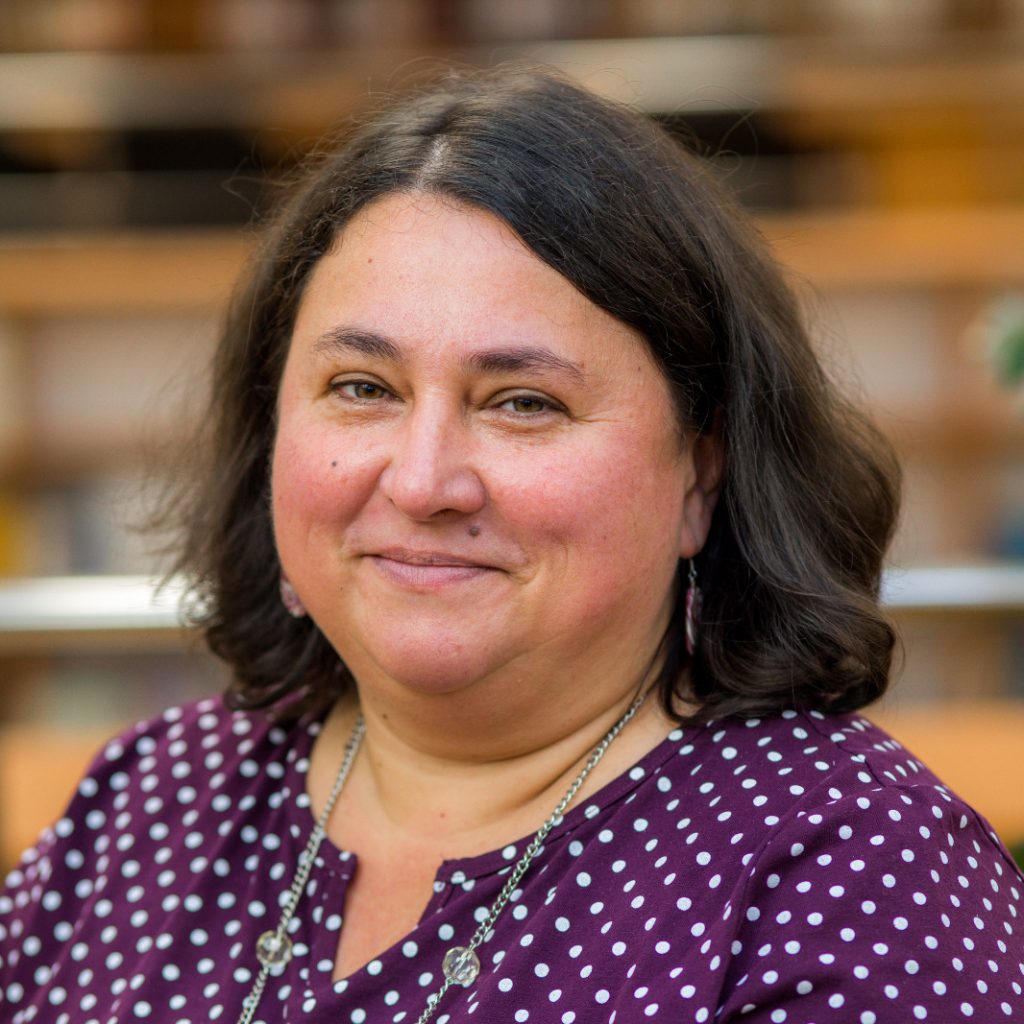
Enikő Tankó graduated from Sapientia University, Faculty of Economics and Human Sciences, Miercurea Ciuc, in 2005 with a degree in Romanian language and literature and English language and literature. She completed her MA in 2006 at the University of Bucharest, Faculty of Foreign Languages and Literatures, and later earned her PhD from the ’Languages and Cultural Identities’ Doctoral School, University of Bucharest in 2011. She has been a lecturer at Sapientia University since 2018, following her appointment as a university assistant in 2013. Since 1998, she has taught at all educational levels, from primary and secondary schools to university and adult education. She has been involved in several international Erasmus+ projects focusing on language teaching, intercultural communication and creativity in education. Her research interests include applied linguistics, second language acquisition, passive constructions in English, Hungarian, and Romanian.
Imre Dr. Tódor
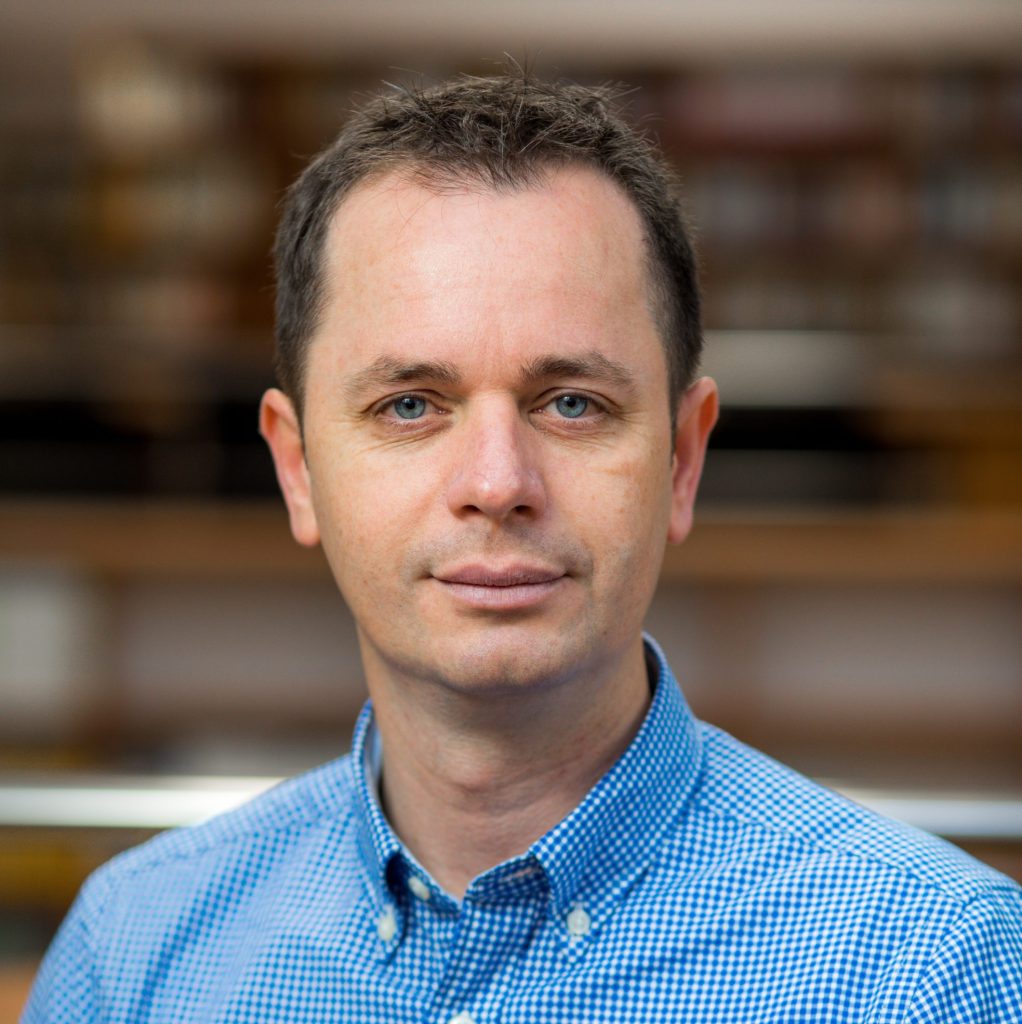
Imre Tódor, PhD, is an Assistant Professor at the Teacher Training Institute of the Sapientia Hungarian University of Transylvania, and a high school teacher of social sciences at the Márton Áron High School in Miercurea-Ciuc (Csíkszereda). He holds dual bachelor’s degrees in Theology and Philosophy, both completed as a scholarship student at the Pontifical Gregorian University in Rome, Italy. He later earned a MA in Philosophy at the Department of Philosophy in Hungarian, Faculty of History and Philosophy, Babeș-Bolyai University, Cluj-Napoca (Romania). Between 2011 and 2014, he was a scholarship doctoral student at the Doctoral School of Philosophy at Babeș-Bolyai University, where he completed his PhD with a dissertation on Carl Schmitt’s conflictual political philosophy. From 2015 to 2018, he continued his academic journey at the Doctoral Program on Educational Sciences at the University of Debrecen (Hungary), researching the mechanisms and effectiveness of high school choice in Romania, with a comparative perspective on denominational and non-denominational education. His research was supported by international academic fellowships: in 2016, he conducted research at the Department of Religious Education, Faculty of Protestant Theology, University of Vienna, and in 2017 at the Comenius Institute (Protestant Centre for Research and Development in Education) in Münster, Germany. His educational research focuses on public education, including topics such as secondary school choice,denominational schooling, student performance analysis, anddigital education.
Our pilot teachers
Babos Mónika Sára (Grade 3-4)
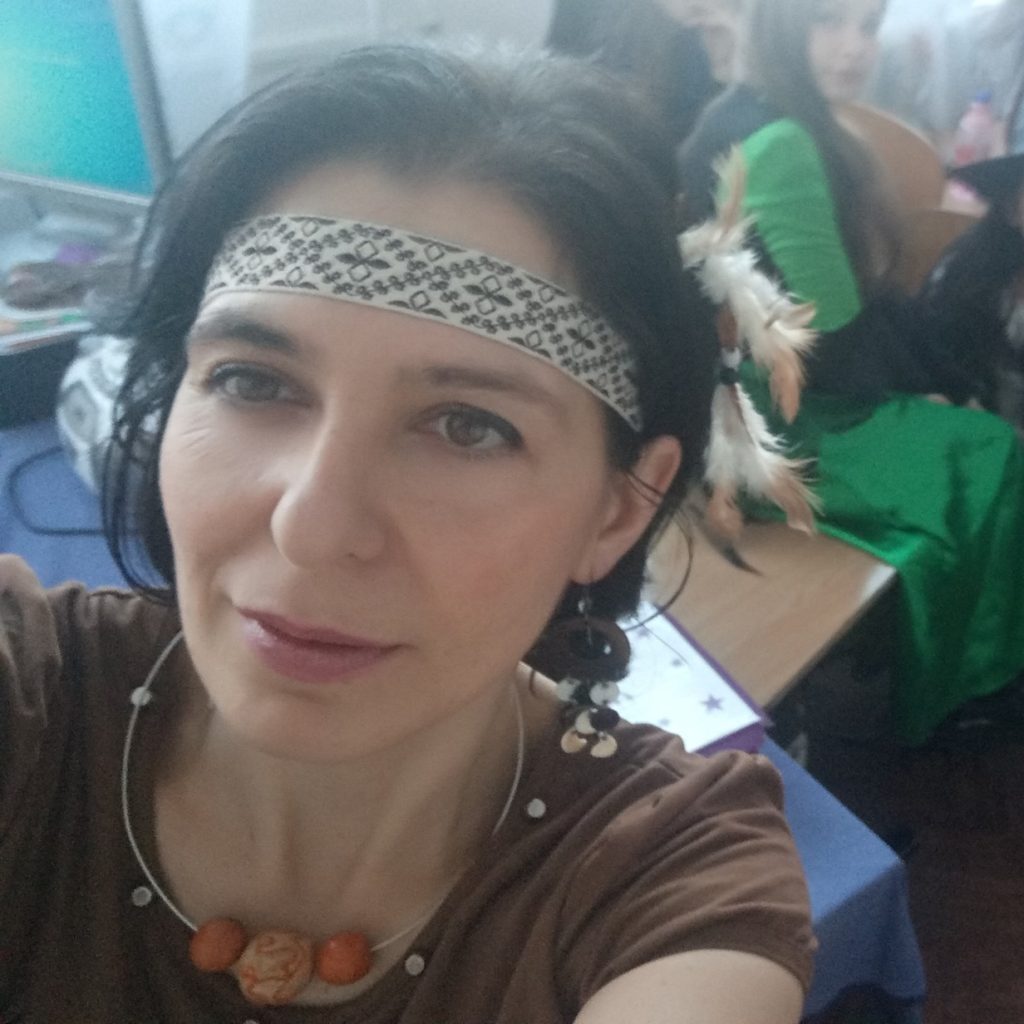
My name is Babos Mónika Sára, I was born in Marosvásárhely. I work as a primary school teacher at Nagy Imre Primary School in the city of Csíkszereda. It s a challenge for me when I can participate in interesting projects that I can use in everyday education. I deeply believe in everything we do in a self- forgetful way, which children especially know very well. I believe that it is not important how many years we have in our lives, it is important how much life there is in our years.
Both Virág Izabella (Grade 3-4)
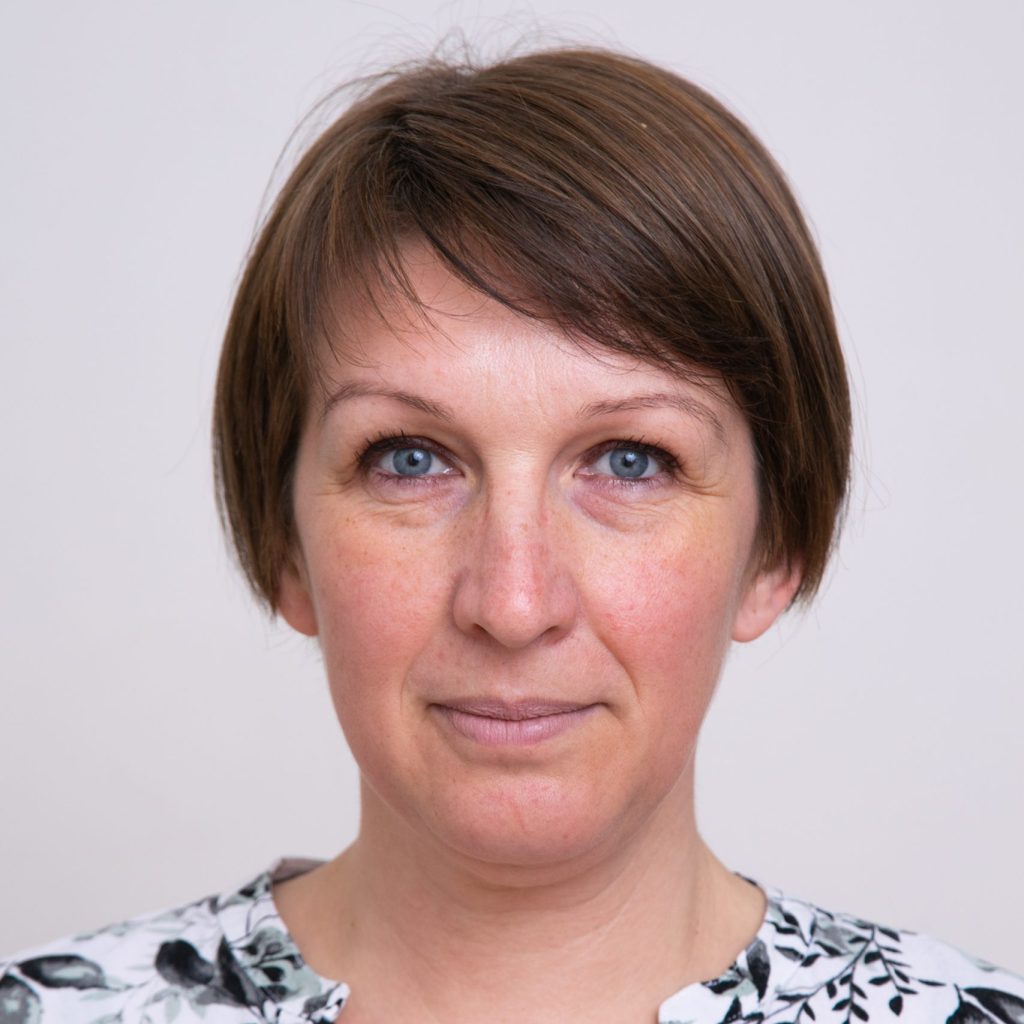
Hello, my name is Virág. I have been working as an elementary school teacher for 28 years, and I am currently employed at József Attila Primary School in Csíkszereda. I am passionate about my profession, as each day presents new challenges that I approach in a playful and engaging way together with my students.
Bencze Etelka (Grade 1-2)
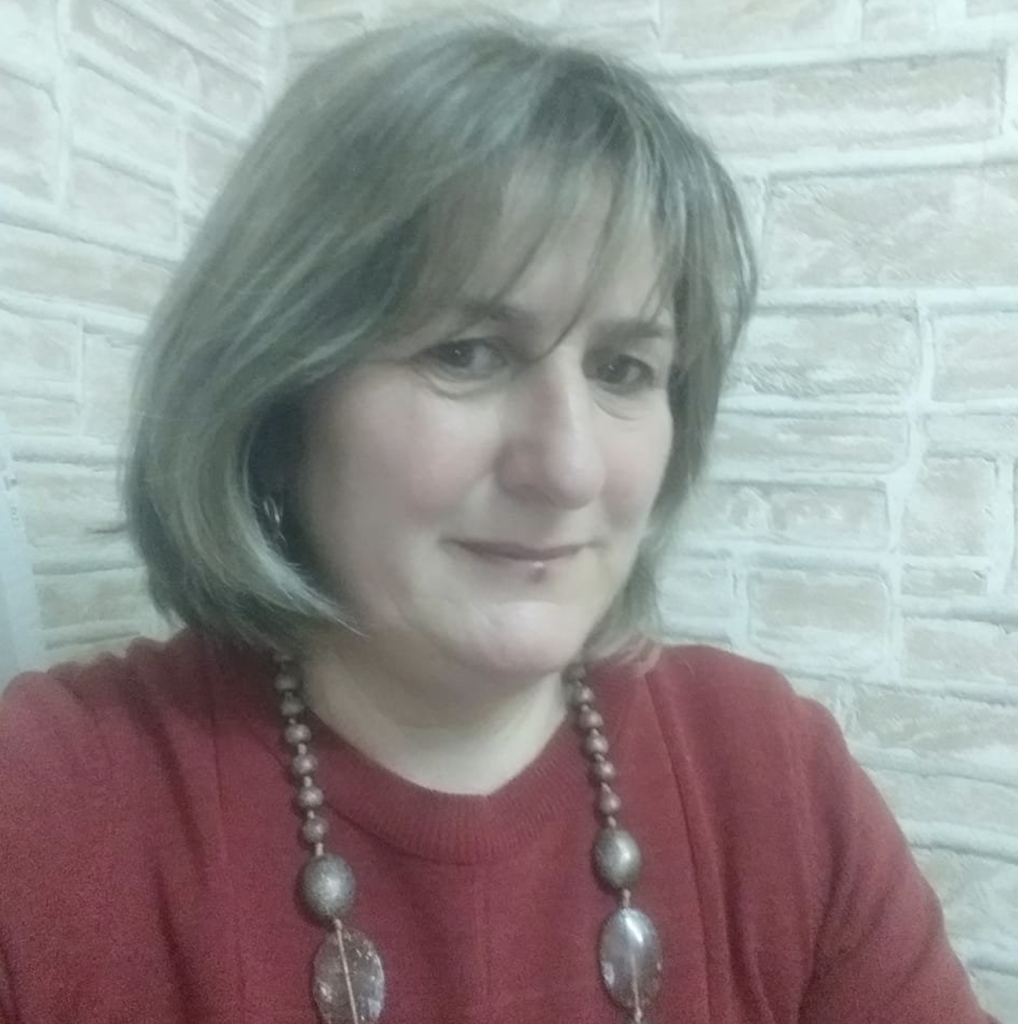
My name is Bencze Etelka. I have been working as a primary school teacher for 35 years. I am passionate about continuous professional development and committed to keeping up with the challenges of our times. I enjoy exploring innovative methods such as game-based learning and STEAM to better connect with the new generation of learners.
Cseh Enikő (Grade 1-2)
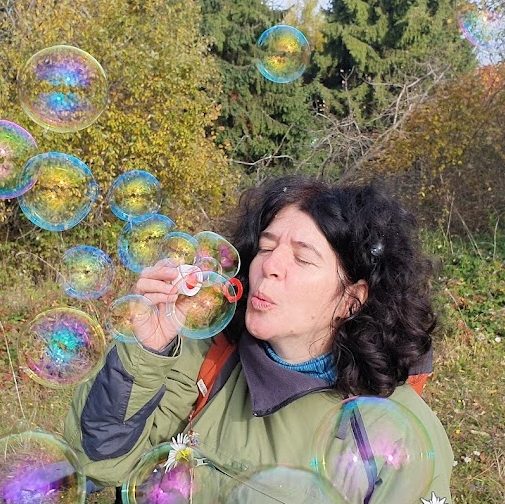
My name is Enikő Cseh, and I have been teaching at the József Attila Primary School in Miercurea Ciuc for 32 years. I believe that school is a great place where every child feels happy, where their curiosity and interests are given space to grow. School is a dear place to me as well, and I am grateful to be able to teach young children, because they radiate joy, curiosity, and love.
Kristály Gyöngyvér (Grade 3-4)
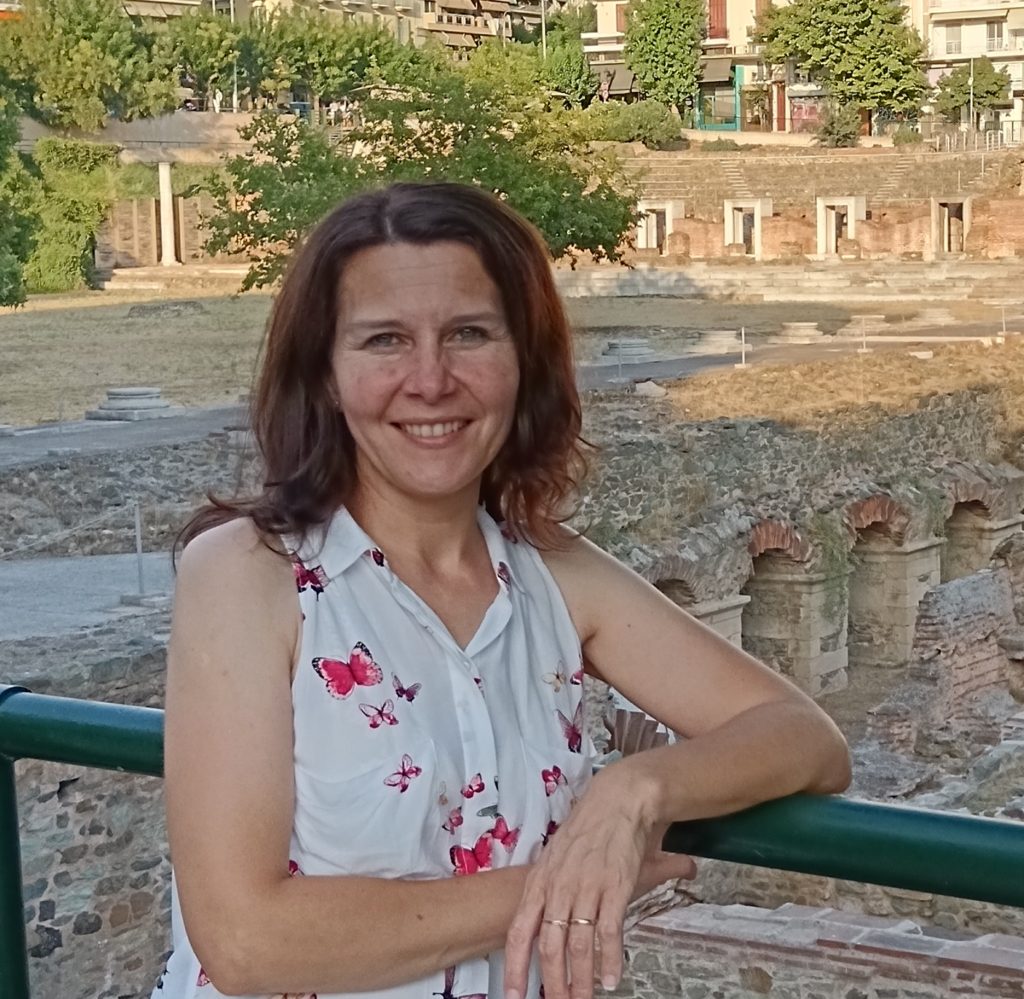
My name is Gyöngyvér Kristály, and since 1997 I have been teaching at Kájoni János Primary School in Csíkcsicsó. Becoming a teacher has been my dream since childhood, and today I truly enjoy working with children every day. In my teaching, I aim to inspire curiosity and keep students engaged, which is why I like to use diverse and creative methods. Beyond education, I place strong emphasis on personal growth and nurturing. I deeply believe that every child is a miracle, carrying within them a unique talent waiting to be discovered and encouraged.
Török Mária (Grade 3-4)
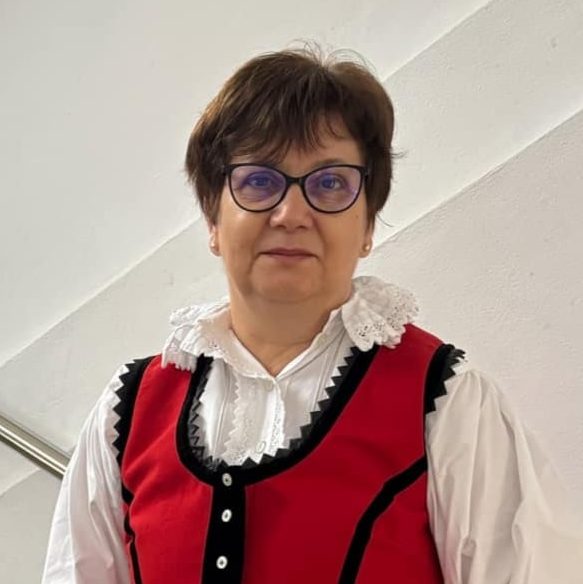
My name is Mária Török, and I have been teaching at the Petőfi Sándor Elementary School in Csíkszereda for 35 years. I am always curious about new things, which is why I decided to participate in this Piloting project. I am always looking for new ideas to motivate children to learn.
Vaszi Emőke (Grade 1-2)
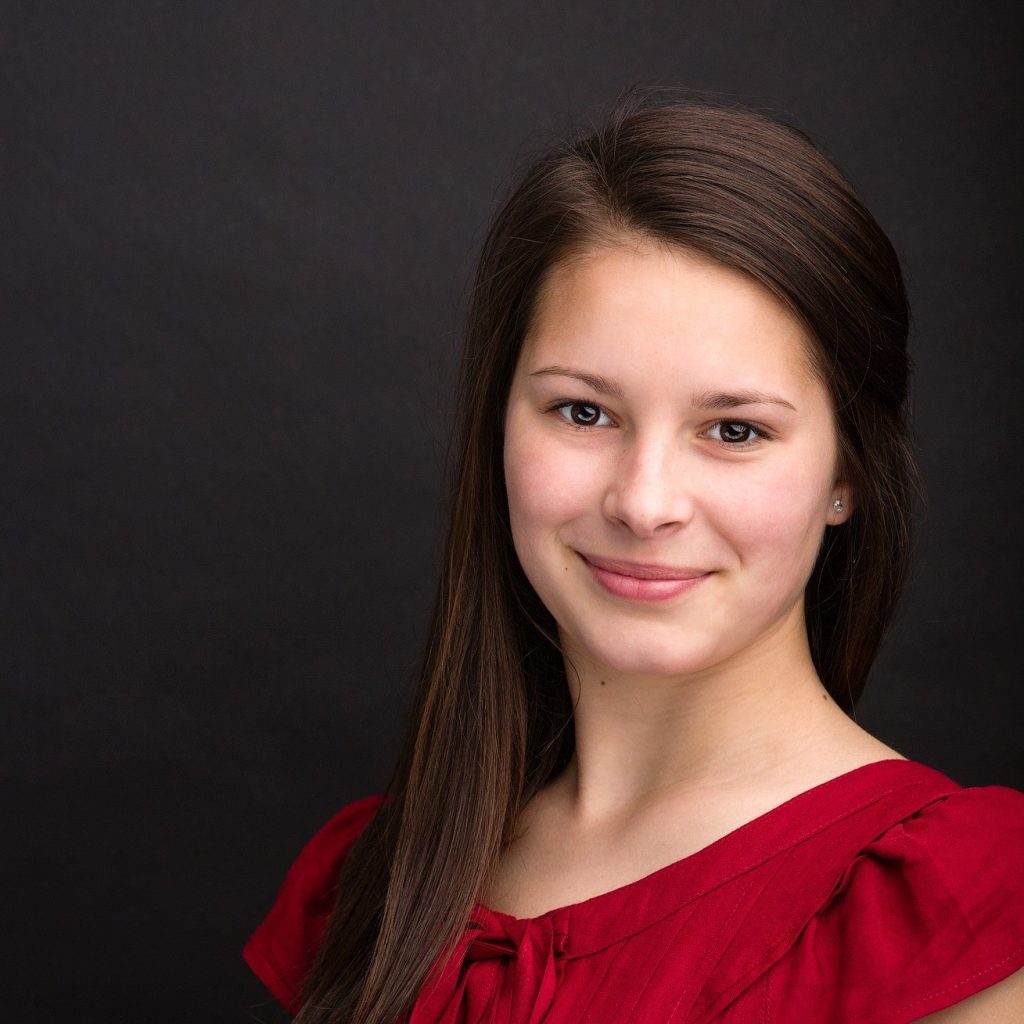
My name is Emőke Vaszi, and I have been teaching for 7 years. The most important goal of my vocation is to build a loving, warm relationship with the children and to make the transfer of knowledge an enjoyable, playful experience. The greatest feedback for me is when the children enjoy coming to school and are open to new things.
Várday Délia (Grade 1-2)
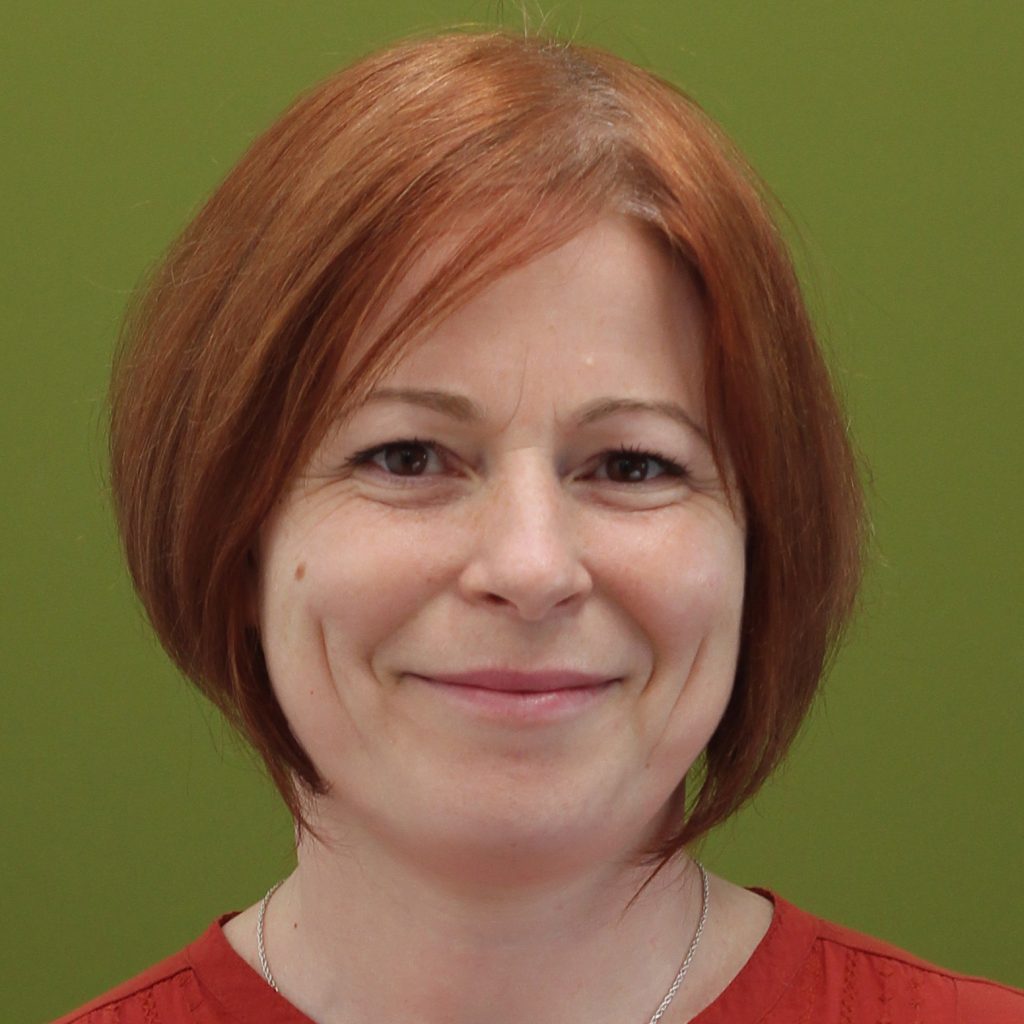
My name is Délia Várday, and I’ve been teaching elementary school children for 27 years at the József Attila Primary School in Csíkszereda, Romania. I believe that learning should be an engaging and enjoyable experience, as it helps children develop strong social skills and build a positive classroom community. My goal is to create a fun and supportive environment where every student can thrive.