Who are we?

Magyar Digitális Oktatásért Egyesület (MDOE) is the leading professional association and knowledge-network of and for the most innovative teachers, pedagogy experts and schools. The members are The members are dedicated to the use innovative pedagogy based on gamification, collaborative, active and inquiry learning, especially in STEAM education.
The main activities of MDOE focus on teachers’ and leaders’ competences development area as follows:
- runs continuous professional development for math and science elementary, secondary and VET teachers in Hungary to use EdTech in the Classroom teaching and Home-learning;
- builds up capacity of teachers in digital pedagogy;
- creates and runs a “Community of Practice”: a knowledge sharing/network for and with teachers and schools at national (European level);
- supports development and implementation a of SELFIE based institutional DELT (digital enhanced learning and teaching) strategy and action plan;
- promote the „whole school approach” institutional development focusing on mental wellbeing in the digital age, innovative open, mentally safe and healthy, proactively inclusive, and relationship-oriented learning environment and school culture and climate
The MDOE has a nationwide network of mentors/practicing teacher trainers.
Our Role in the Project
As the coordinator of the project, MDOE is responsible for managing and coordinating the implementation, ensuring the overall quality and impact of the project. It also provides professional and scientific leadership for the project.
MDOE – in co-leadership with VitaComm and EhB – as the leader of WP4, is responsible for the largest part of the project, “toolbox development and implementation” which includes the development, piloting, evaluation, fine-tuning, and publication of the toolboxes (50 learning activities, 30 games and STEAM program for life skills development). Finally, the MDOE shares its experience and knowledge in developing the content of teacher training and running the community of practice (WP5).
Our Team
Katalin Dr. KULMAN
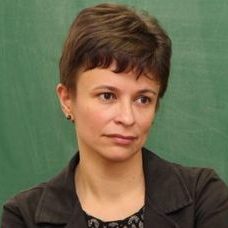
Dr. Katalin Kulman PhD has been the senior expert of STEAM and digital pedagogy. She is the head of the digital STEAM in-services teachers training programs running MDOE since 2017. Has wide experiences of traditional and digital education. As a lecturer, she works for the Eötvös Loránd University Faculty of Primary and Pre-School Education, both Department of Mathematics, and Department of Natural Science and teaches disciplinary, methodological and subject-specific pedagogical teacher training for primary, pre-school initial teachers training students in mathematics, geography and environmental science with sustainability focus. She was involved in the development of National Core Curriculum and Framework, and as the member of the team she worked on the national curricula, and the relevant framework curricula in the field of Mathematics, and interpreted the integration of transversal skills into Maths education. She is the formal member of the AI pilot taskforce of ELTE working on the AI supported teaching and learning.
Miklós Dr LEHMANN
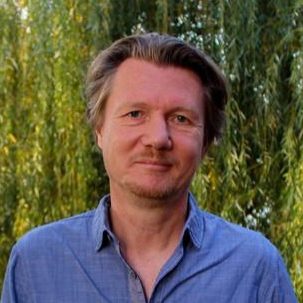
Associate Professor at ELTE’s Faculty of Primary and Pre-School Education, Vice Dean for Research and International Affairs, and Head of the Department of Social Science, Head of the Thinking Skills Development research Group of ELTE. He has a PhD degree in cognitive psychology. His work focuses on renewing educational content and methods in response to the rapid changes in both the current socio-cultural, and technology/digital environment of children, and the need for complex cross-curricular development of thinking, and 21st-century life skill development. He explores opportunities in today’s education that will help develop the skills likely to be needed in society in the coming decades.
He has led university courses and conferences on thinking development and digital culture. His research focuses on cognitive, socio-cultural and pedagogical issues related to the impact of the digital environment. Additionally, he has prepared guidelines for the ethical use of AI in student work. The guidelines encourage the use of AI by students, but also clearly distinguish between ethical use and use that is not permissible in education.
He supports scientific research and publication during the implementation of the project.
Tibor DŐRI
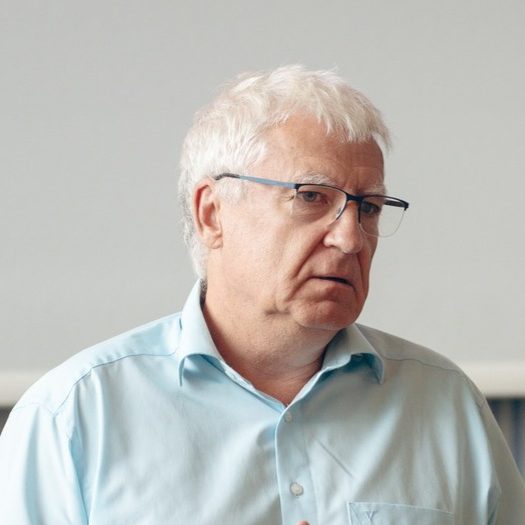
Tibor Dőri is the former director of sole educational partner of OUBS UK between 1989-2012. Was a registered tutor of OUBS UK in Hungary at HR, Change and Strategy management. Has taught senior and top managers for 31 years. Coach, trainer and senior consultant in strategy, organisational culture development, change management and marketing. He is expert of adult education, dual education, ICT supported distance/blended teaching, e-learning. CPD trainer of in-services teachers’ development. Expert of the SELFIE, and data-based development of school culture, open and inclusive learning climate. As the president and senior expert, he is responsible for the professional activities of MDOE, especially the capacity building of in-services teacher and school management, organizational development of schools, and implementation of Erasmus projects. He was former Board member of EADTU between 2005 and 2010. He is the Member of the Board of EfVET and former member of CEDEFOP TEL working group.
Bertalan Péter Farkas

Bertalan Péter Farkas is an educational expert, knowledge manager, and seasoned project manager with more than fifteen years of professional experience in Hungary and across Europe. He is an expert in developing SEL-focused, supportive, open, and inclusive learning environments and promoting pedagogical renewal. He has contributed to schools and communities seeking meaningful responses to the demands of twenty-first-century learning. He has active knowledge in the field of SEL and embedding social-emotional skill development into daily teaching practice. As an experienced project manager, he is responsible for the project management of the SPIRIT project.
Our pilot teachers
Beáta Violetta Fehér-Marádi (Grade 1-2)
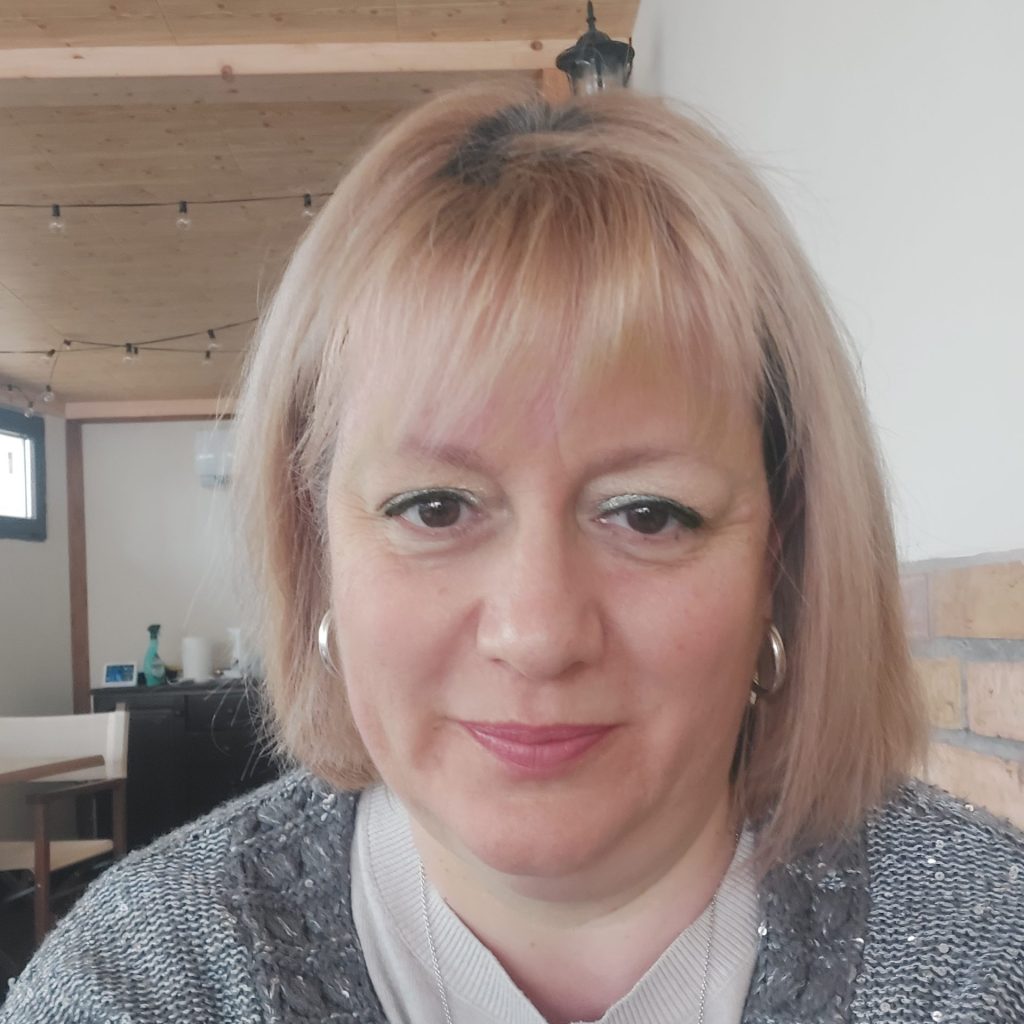
Since childhood, she has aspired to become a teacher. She first obtained a kindergarten teacher’s degree and later qualified as a primary school teacher. In her teaching, she finds it essential that learning should be a joyful and playful experience for children. She has always been open to innovations and opportunities that make learning and childhood happier and easier for her students. Her teaching goal is to raise children who can navigate the digital world just as confidently as real life. She always adapts her methods to the specific group of children she works with. She is flexible and quick to adjust to changing circumstances, as her most important aim is for children to be able to say: “I love going to school.”
Magdolna Győrffy (Grade 1-2)
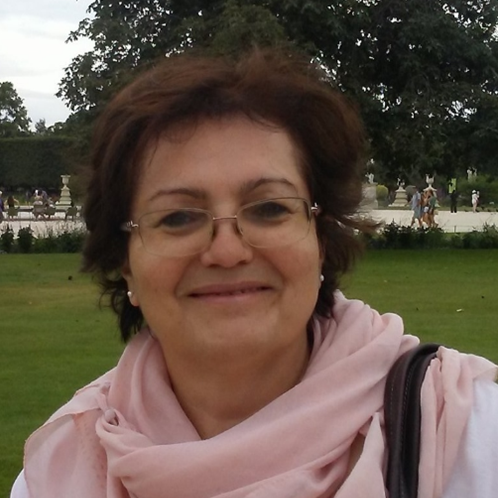
Primary school teacher, master teacher, and talent development expert. She is a lead teacher at the Gyertyánffy István Practice Primary School of Eötvös Loránd University (ELTE), where she serves as a homeroom teacher and also takes part in the professional training of students from ELTE’s Faculty of Primary and Pre-School Education. Since 1999, she has been working with gifted children. She organizes and conducts enrichment programs, currently within the framework of the Aranyelme Talent Development Association, focusing on the development of mathematical, linguistic, and visual logic skills, as well as related abilities. She is the author of several mathematics textbooks and digital learning materials.
Virág Györgyi Petneháziné Vad (Grade 1-2)
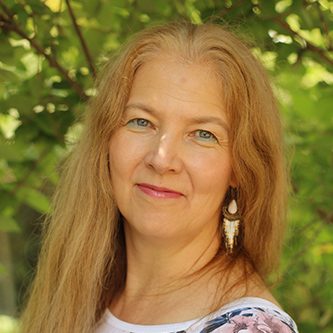
She has been a primary school teacher at Farkasréti Primary School for 33 years. Teaching is a diverse and varied profession that requires versatility, broad knowledge, musical skills, mathematical thinking, manual dexterity, physical activity and athleticism, as well as digital literacy. For this reason, she considers self-development essential; teachers, too, must renew themselves and continue learning. She enjoys working on crafts, creating digital tasks, and developing project-based activities. She believes it is important that in today’s fast-paced world, her students are surrounded by a calm, safe, accepting, and supportive environment, while also being challenged, inspired, and provided with meaningful experiences.
Erika Szőkéné Ispány (Grade 1-2)
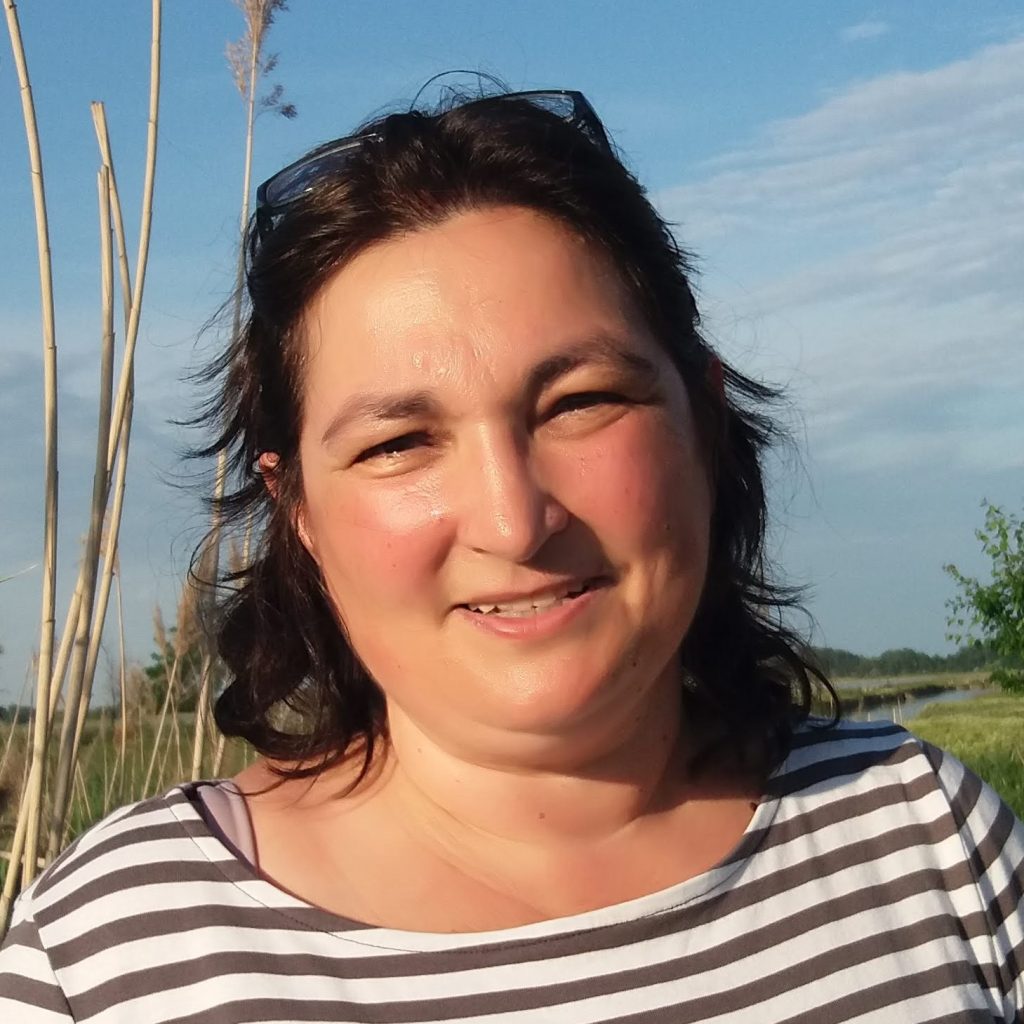
Primary teacher. She has been teaching in Törökbálint, at the Zimándy Ignác Primary School, since 1992. After completing her teacher training, she attended in several postgraduate training and primary teacher courses, as in the teaching of Hungarian language and literature and Mathematics. She gained experience in hungarian ethnography, folk crafts, children’s folk dance, puppetry, English language and computer technology. In addition to professional renewal, she considers it important to protect Hungarian cultural values and preserve traditions. She believes in positive teaching approach, that focuses on fostering a child’s development by emphasizing strengths, positive emotions and developing social-emotional skills alongside academic learning
Csilla Farkasházi (Grade 3-4)

Master Teacher awarded with the Manó Beke Prize, educational innovator, mathematics and music teacher, primary school teacher, and faculty member at the Fazekas Mihály Grammar and Primary School in Budapest. She gives lectures and workshops for colleagues both in Hungary and abroad, including at Pedagogical Days, at the Rátz László Conference for Mathematicians, and in the United States at TCNJ (The College of New Jersey). She has published a series of articles titled Math Games in Tanító, a national methodological journal. Her teaching is characterized by methodological diversity; she considers it important that her students deepen their knowledge through their own activities and experiences, and that they can unfold their talents and creativity. In her classes, she uses thematic games and experiential learning elements, and she enjoys experimenting with innovations.
Márk Móricz (Grade 3-4)
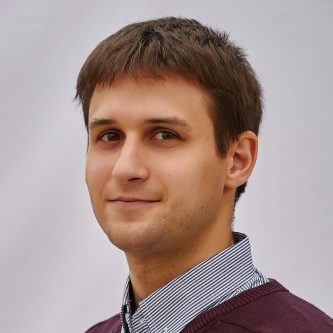
He graduated from the teacher training program at Eötvös Loránd University (ELTE) in 2009 and has since been working with lower-grade students. He is currently a primary school teacher at Farkasréti Primary School. In 2013, he completed a specialized training program and obtained a qualification as a play mentor. Over the years, he has developed teaching materials and conducted professional development sessions related to mathematics education. In his teaching, he values action-oriented, discovery-based learning as well as community building, both during lessons and in extracurricular activities.
Gáborné Németh (Grade 3-4)
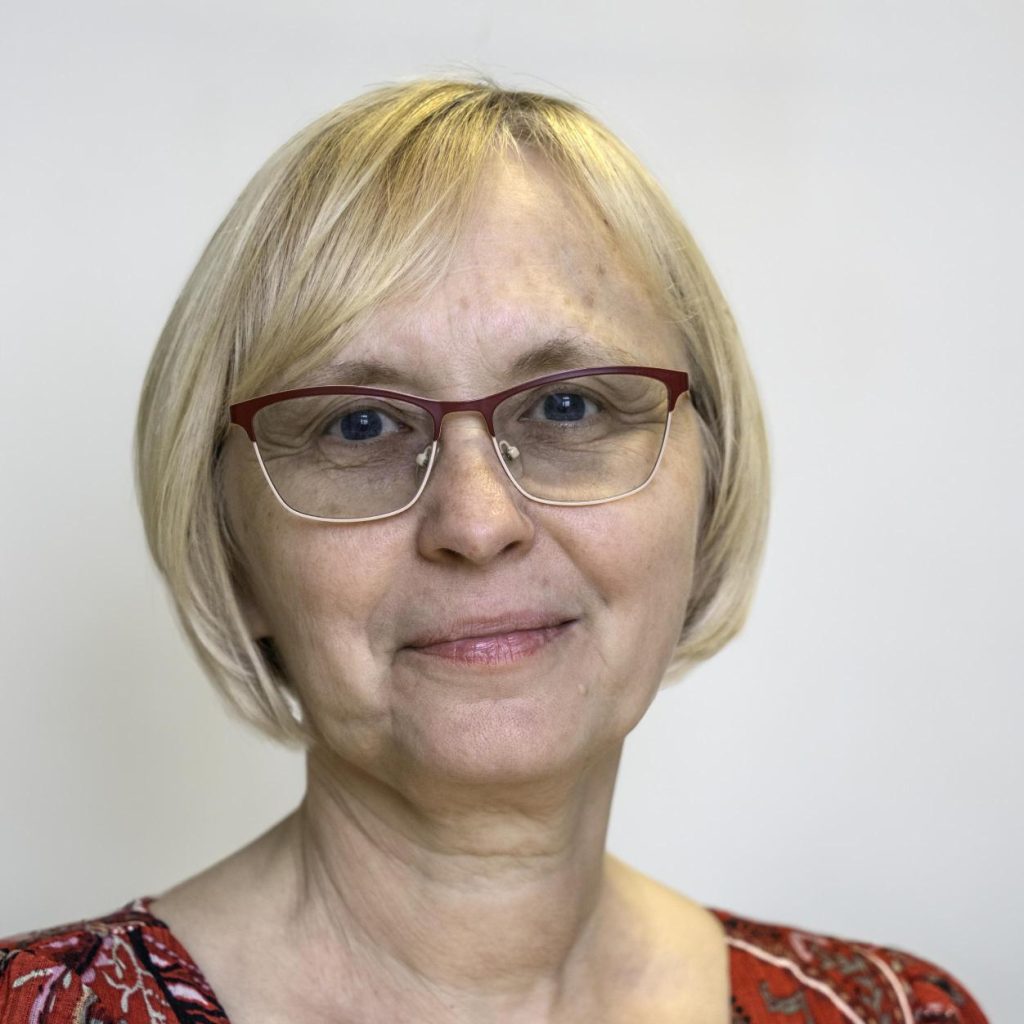
She has been working as a primary school teacher since 1988. She continuously seeks new methods and opportunities to enrich and enhance the development of 21st-century skills (creativity, critical thinking, communication, and collaboration). She considers it important that students learn the curriculum in a playful, cooperative way, paying attention to one another. She encourages them to experience success and to develop at their own pace. For 20 years, she mentored students of the Faculty of Primary and Pre-School Education at Eötvös Loránd University during their external teaching practice.
Sándor Tóth (Grade 3-4)
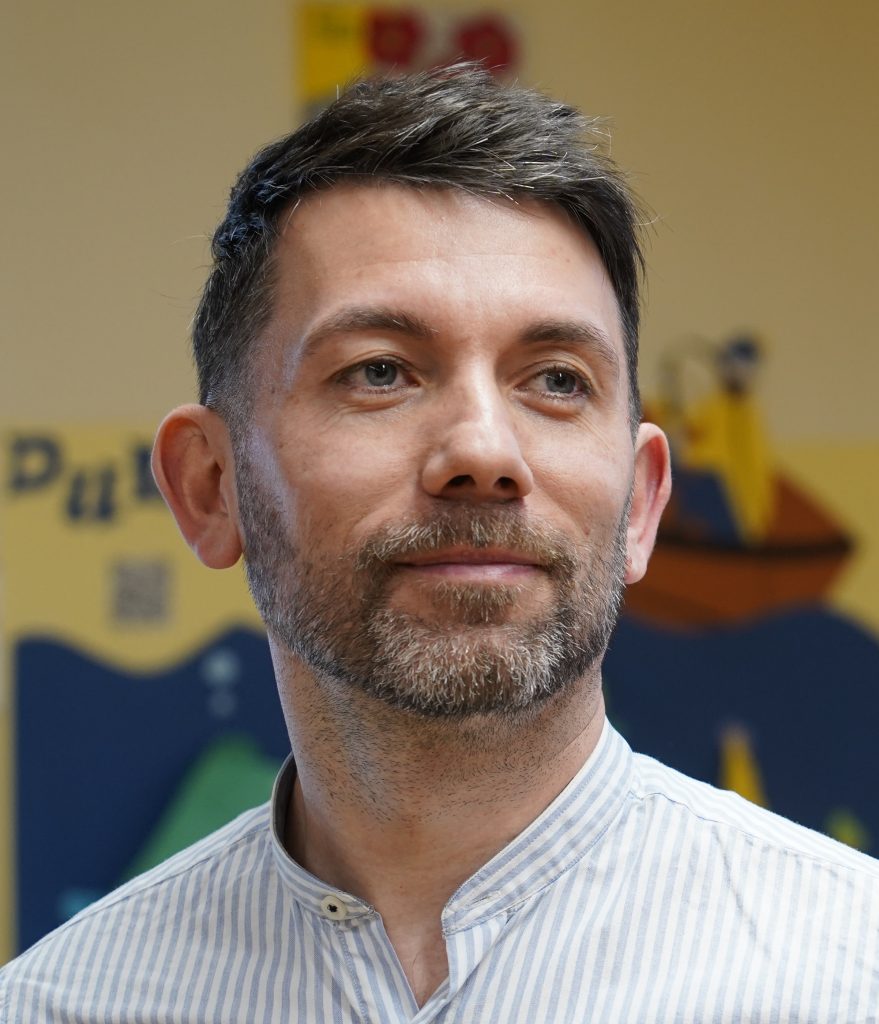
Since obtaining his teaching degree in 2007, he has been working at Zugló Herman Ottó Knowledge Centre Primary School. Over the years, he has come to realize that, in line with the principle of lifelong learning, he must continuously develop his professional knowledge—not only to preserve, but also to build upon and expand the achievements of his predecessors. In the teaching–learning process, his key objectives are holistic personality development, the nurturing of individual abilities, and the cultivation of 21st-century skills. In his daily educational work, he places strong emphasis on developing students’ sense of community and shaping them into cohesive groups. A cornerstone of his pedagogy is recognizing and fostering the abilities and talents hidden within each student. He regularly integrates digital tools into his teaching and learning practices.